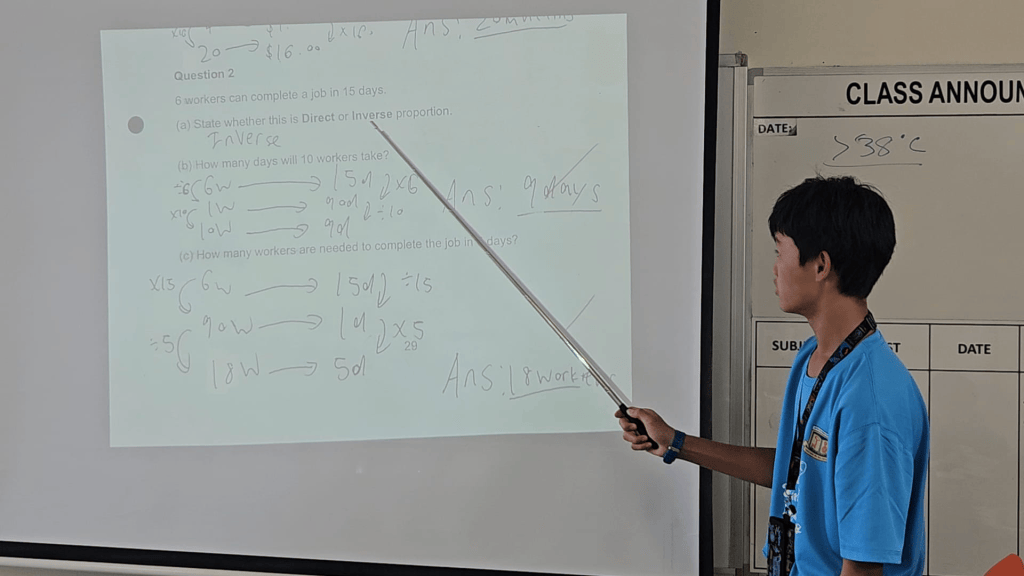
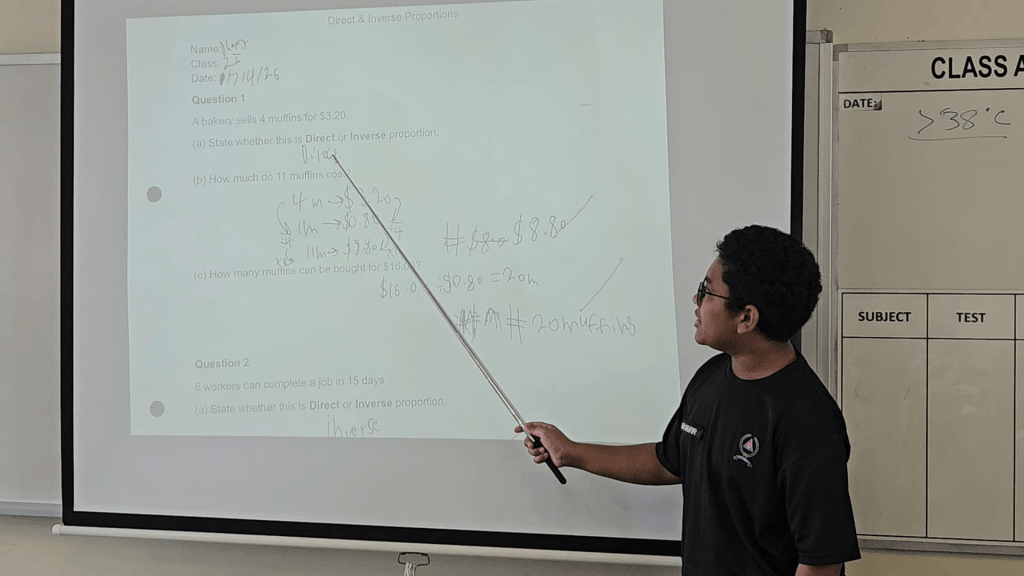
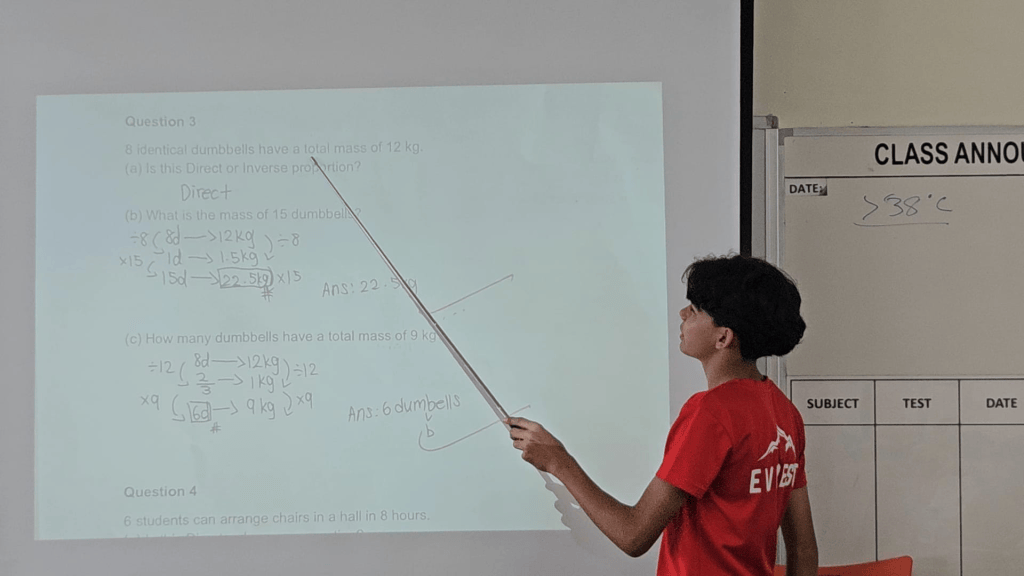
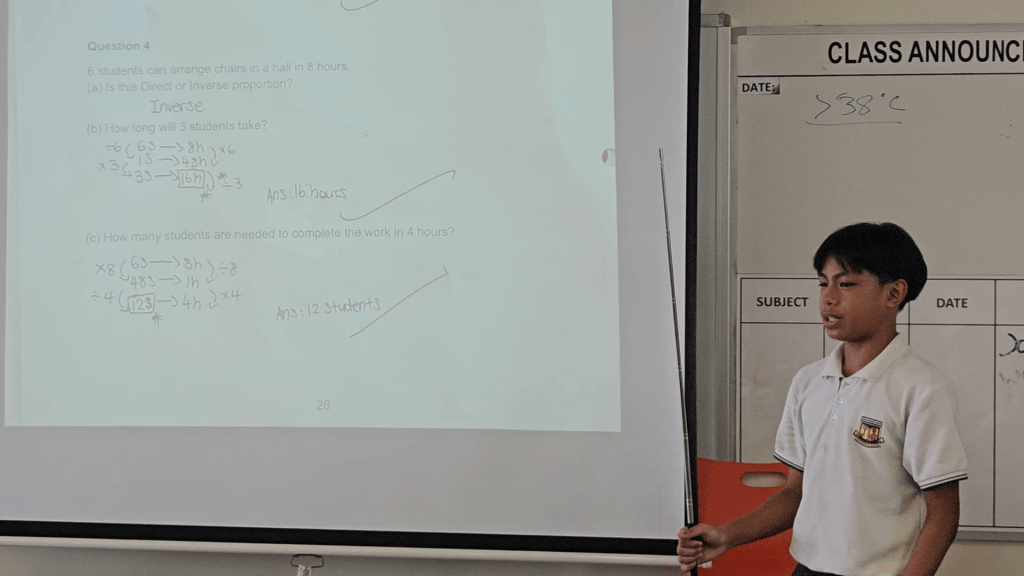
recently, i tried incorporating peer teaching into my lessons. students were invited to step into the role of a “mini teacher”, coming to the front to explain a question using proper mathematical or scientific language.
what followed was even more powerful — their peers began to question, challenge, and build on the explanations. this created a space where thinking became visible, and learning became a shared process rather than a passive one.
i noticed that when students teach, they do not just repeat ideas — they clarify, organise, and deepen their understanding. at the same time, being questioned stretches their thinking and pushes them to reason more carefully. these discussions make learning more active, meaningful, and impactful.
reflecting on this, i see elements of constructivism and gradual release at play — moving from teacher guidance to student taking ownership for their learning. more importantly, it empowers students. they are given a voice, a platform, and a sense that they belong in the learning process.
and sometimes, all it takes is a minute at the front of the class to transform a learner into a confident thinker.
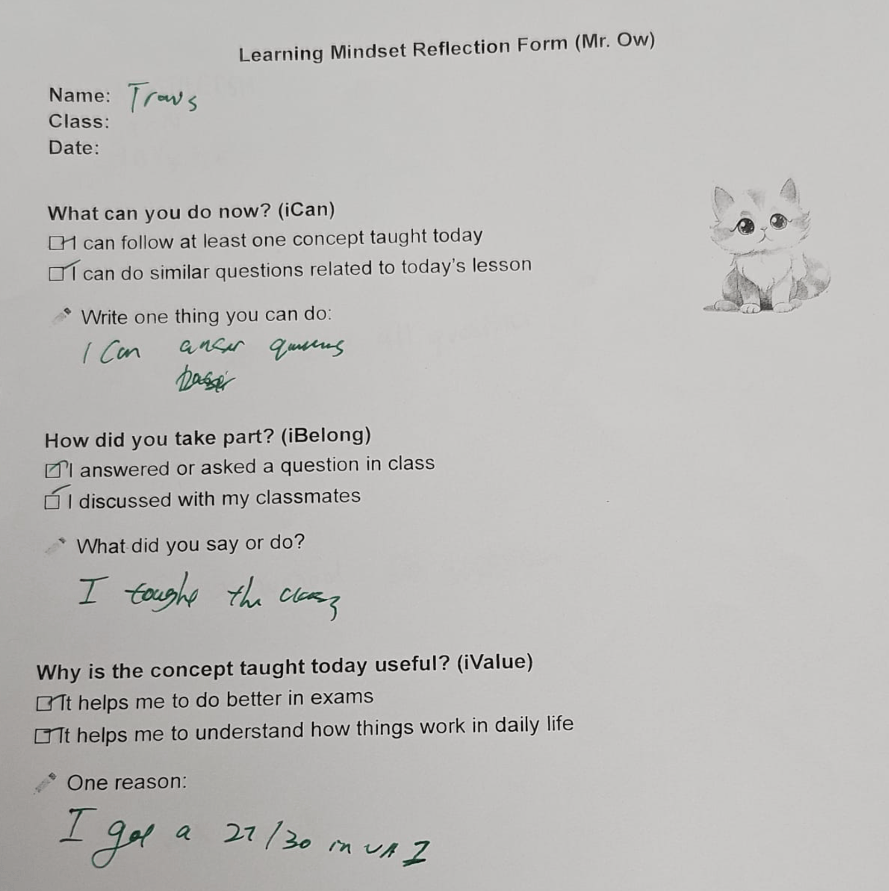
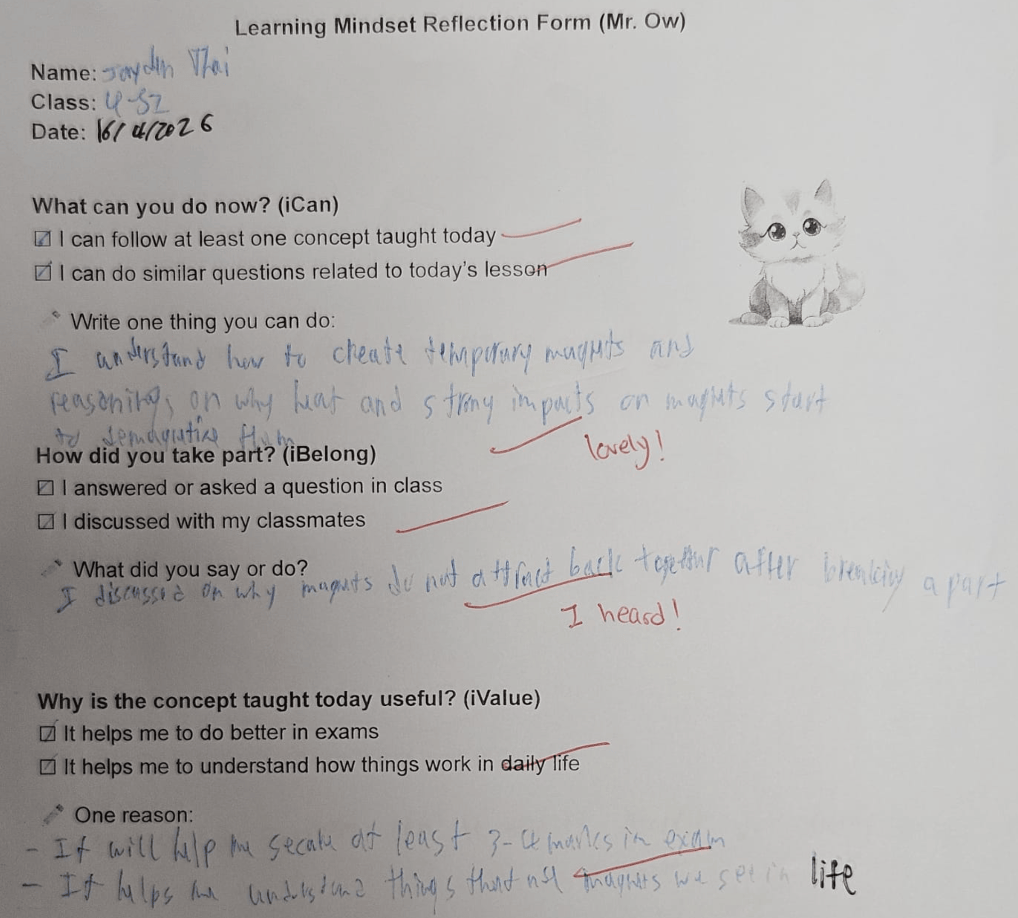
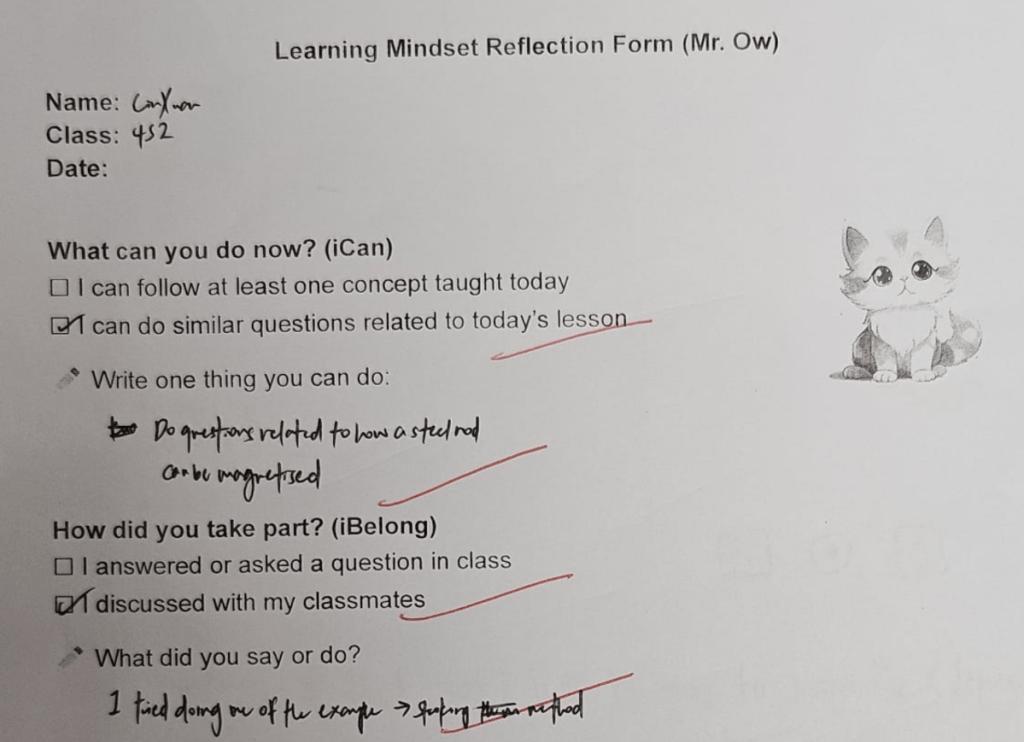
recently, i began integrating learning mindsets — ivalue, igrow, ibelong, ican — into my lessons to support students beyond content understanding. the aim was to strengthen their attitudes, motivation, and ability to retain and make sense of what they learn.
at the end of each lesson, students write short reflections. though simple, this routine has been powerful. it helps them consolidate their learning, recognise their progress, and build confidence in their own abilities.
what truly heartens me is reading their reflections. it reassures me that learning is happening in meaningful ways. at the same time, students are encouraging themselves, becoming more aware of their growth, and developing a stronger sense of ownership over their learning. moments like these remind me why i chose to be a teacher.
i have always believed that a positive classroom culture is the foundation of conducive learning. in my lessons, i make a conscious effort to blend elements of fun with purposeful learning, so that students remain motivated and engaged, while still developing a deep and clear understanding of concepts.
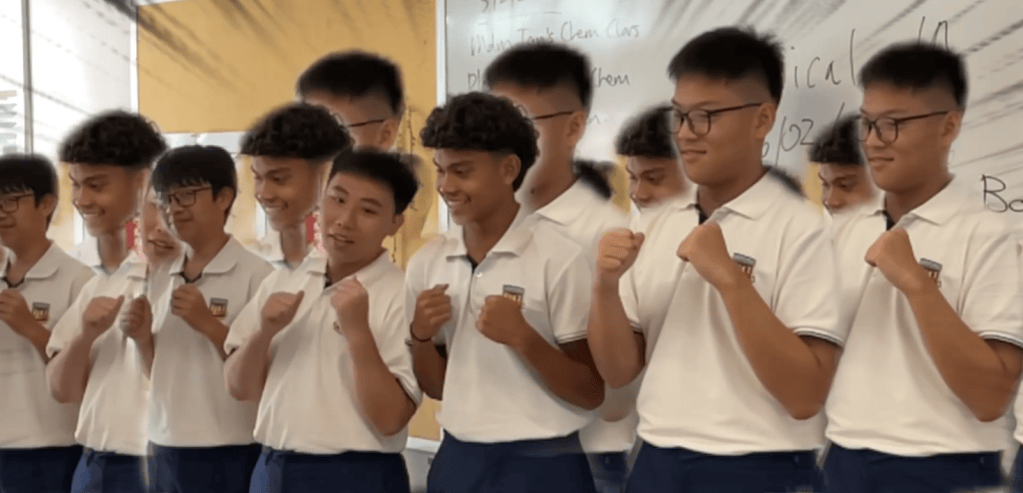
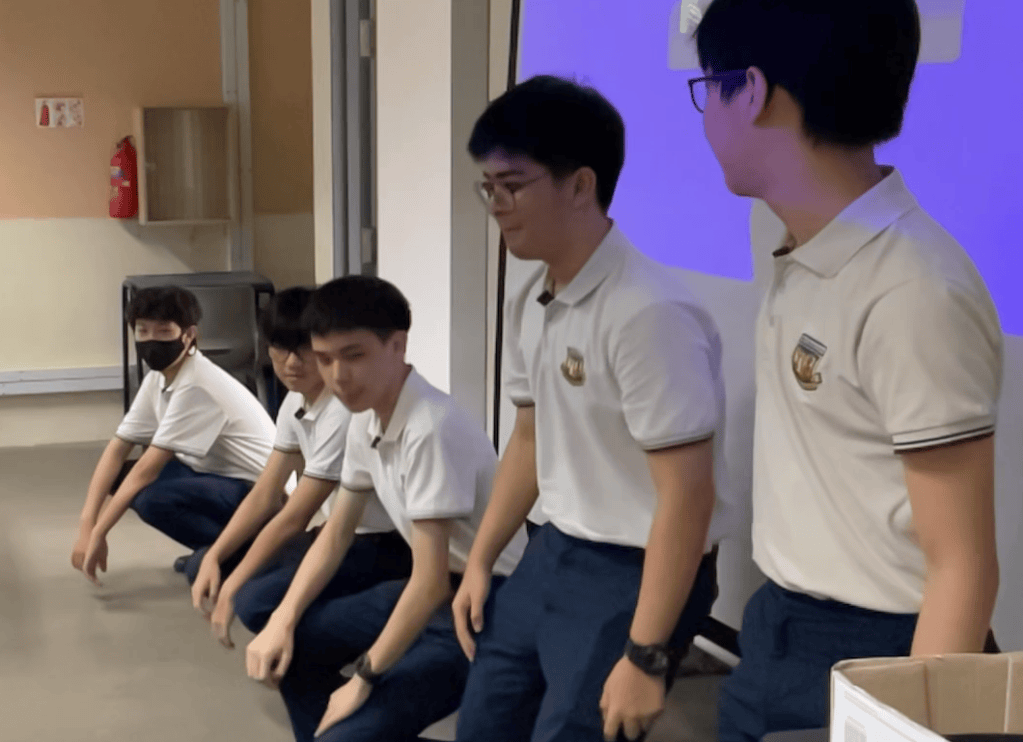
recently, i began exploring the use of embodied pedagogy — leveraging students’ physical movements and actions to support conceptual understanding. this approach has been very impactful. for instance, i invited students to become atoms, moving around the classroom to represent different states of matter. as they experienced particles “vibrating” or “spreading out”, abstract ideas became tangible and memorable.
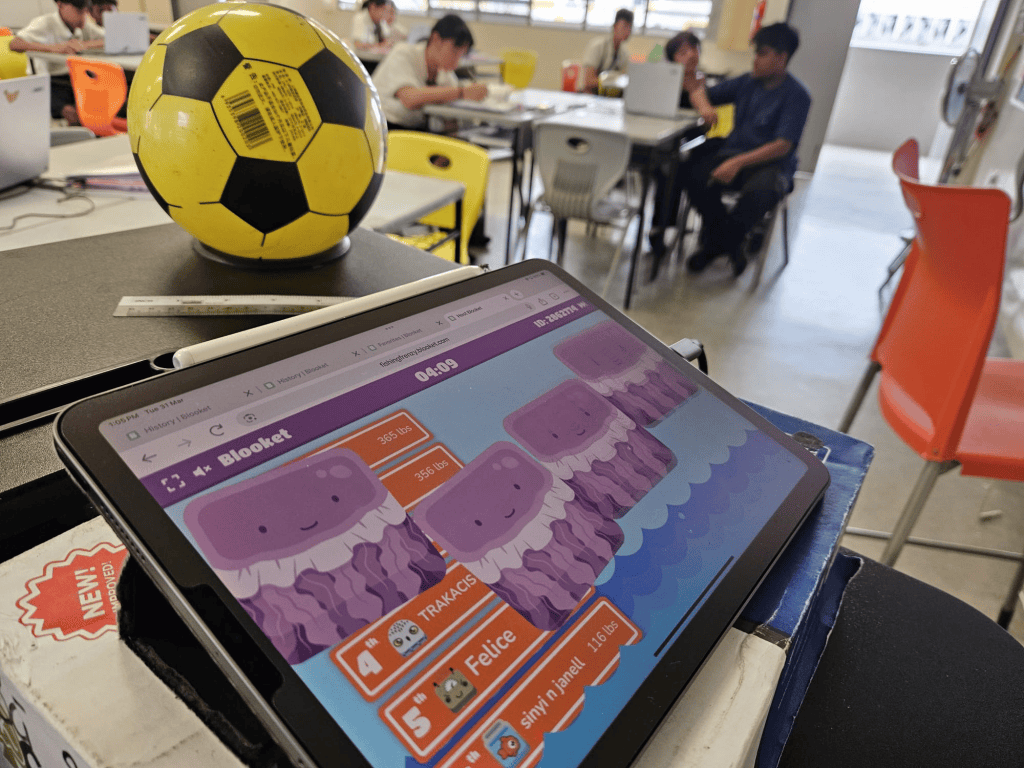
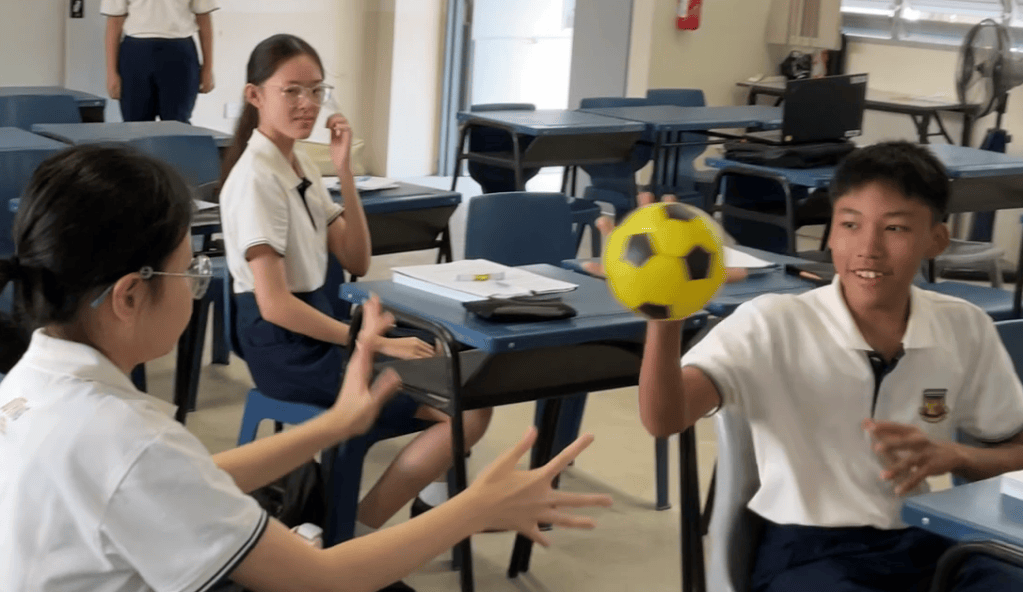
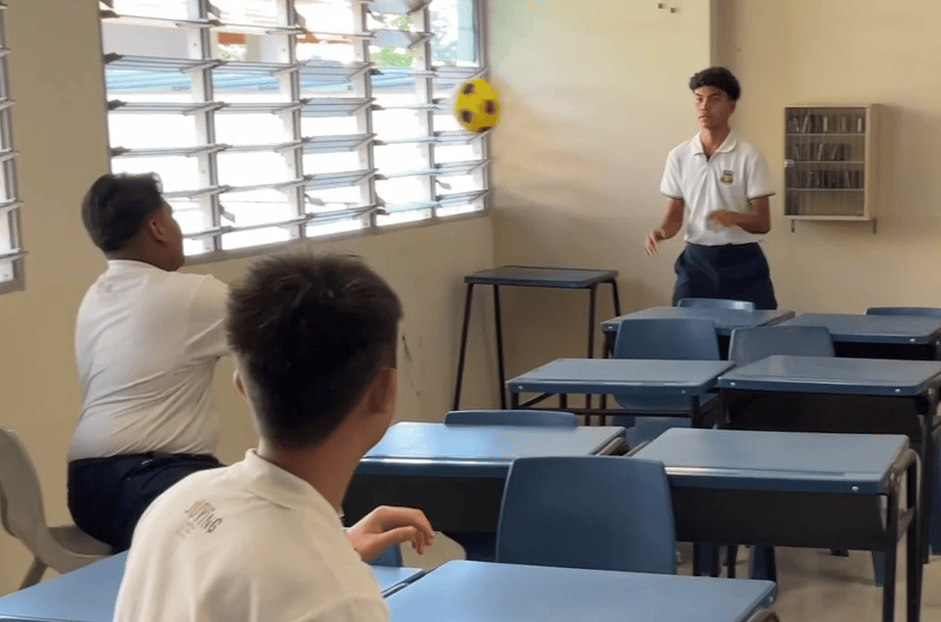
i also incorporated simple tools such as a ball, which served multiple purposes — from randomly selecting questions to modelling aspects of the kinetic particle model. in another lesson, students used their bodies to visualise wave motion, transforming what could have been a static diagram into a dynamic, shared experience.
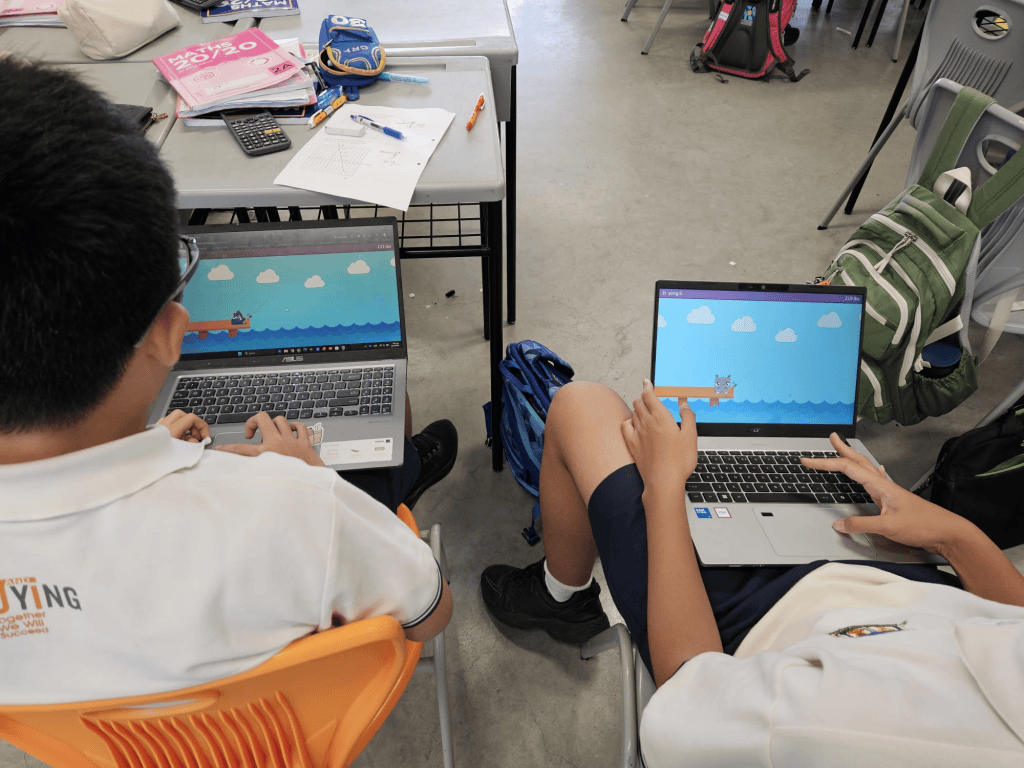
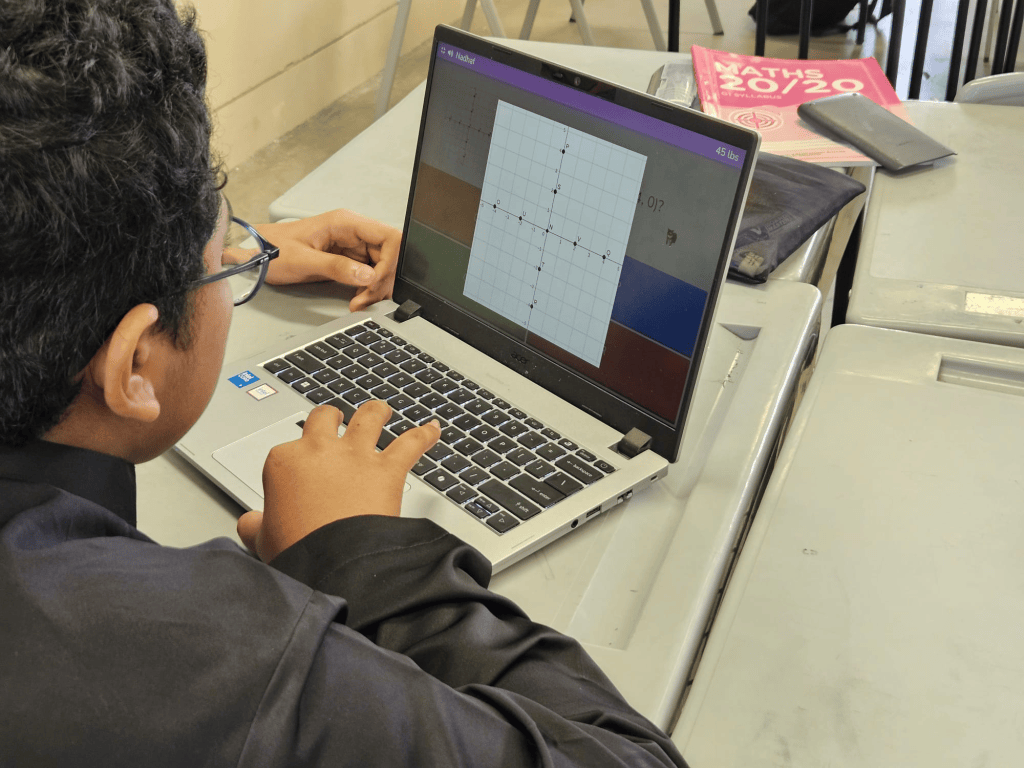
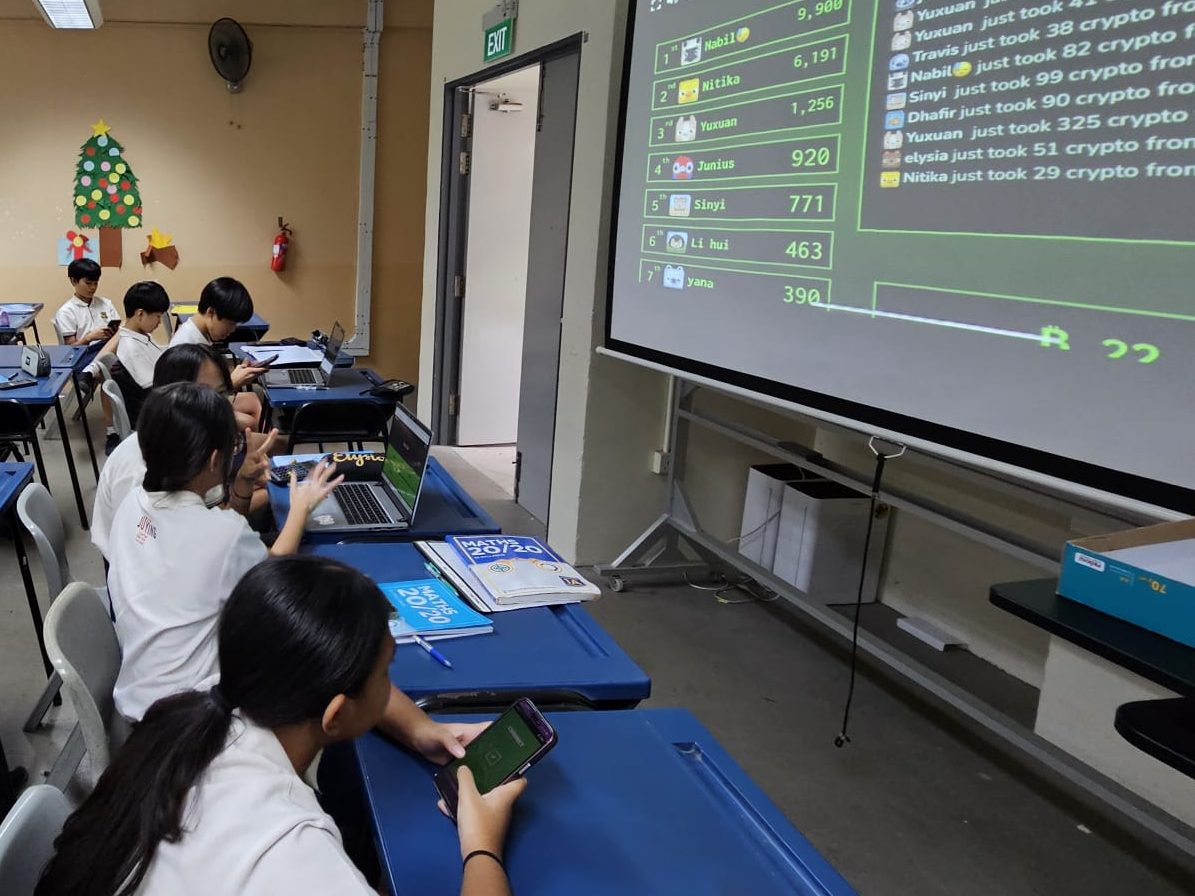
to further enhance engagement and build confidence, i regularly integrate digital tools such as blooket into my lessons. through game-based quizzes, students are able to check their understanding in a low-stakes environment, while experiencing a sense of excitement and healthy competition. more importantly, it provides immediate feedback and encourages participation from all learners, including those who may be more reserved. over time, i have observed that such platforms not only motivate students, but also strengthen their confidence in attempting questions and articulating their thinking.
beyond these activities, i also introduced a reflective element by encouraging students to keep a brief log of how they observe science in their daily lives. this not only helps them revisit prior learning, but also allows them to appreciate the presence of science beyond the classroom.
what i find most rewarding is witnessing students see STEM subjects not just as content to be memorised, but as something alive, relevant, and present in their everyday experiences. when learning becomes something they can feel, see, and relate to, it naturally becomes more accessible and enjoyable.
i guess as educators, we are constantly exploring ways to make learning more effective. sometimes, it is not about adding more content, but about reimagining how we bring that content to life.
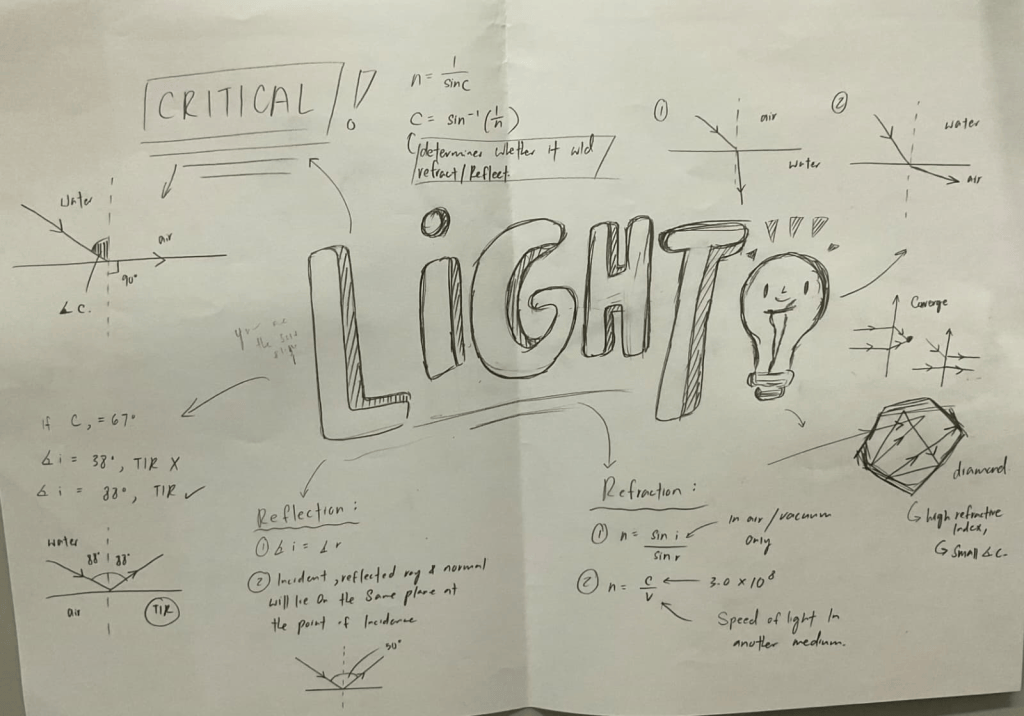
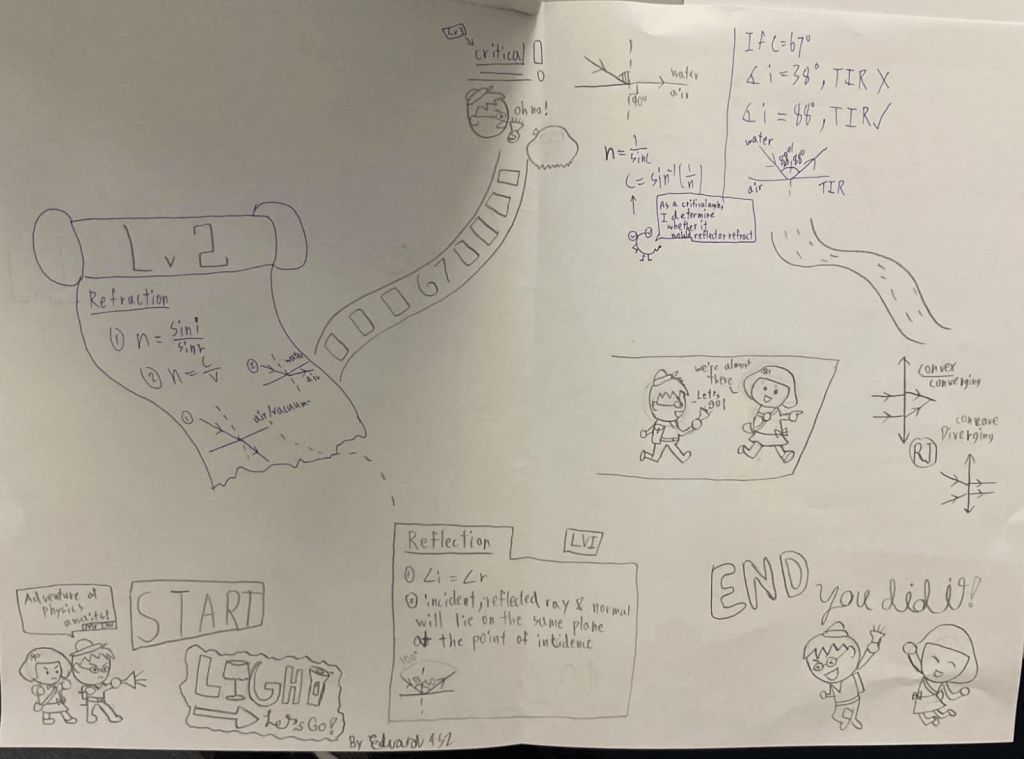
the other day, i spent some time asking my students to create a mind map on the chapter on light, focusing only on the key and most important concepts. i also turned it into a friendly competition to see whose mind map was the clearest and most visually engaging.
at times, i find that transforming traditional frontal teaching into a relaxed drawing and organising session offers a refreshing break from the intensity of pen-and-paper assessments. creating a mind map is, in itself, a form of learning. it encourages students to organise ideas, make connections between concepts, and think about what truly matters in a topic. research suggests that mind mapping supports meaningful learning by helping learners visualise relationships between ideas and strengthen memory through active engagement.
beyond learning, the process can be surprisingly therapeutic. i was especially struck by how some students chose to tell a story through their mind maps, rather than simply listing facts. activities like drawing, doodling, and visually organising ideas are naturally calming, and they create a safe space for students to explore concepts without the pressure of “getting it right” immediately.
i hope this activity helped my students to enjoy learning physics a little more. the act of writing and linking ideas reinforced their understanding, while the exploratory nature of mind mapping allowed them to digest concepts at their own pace.
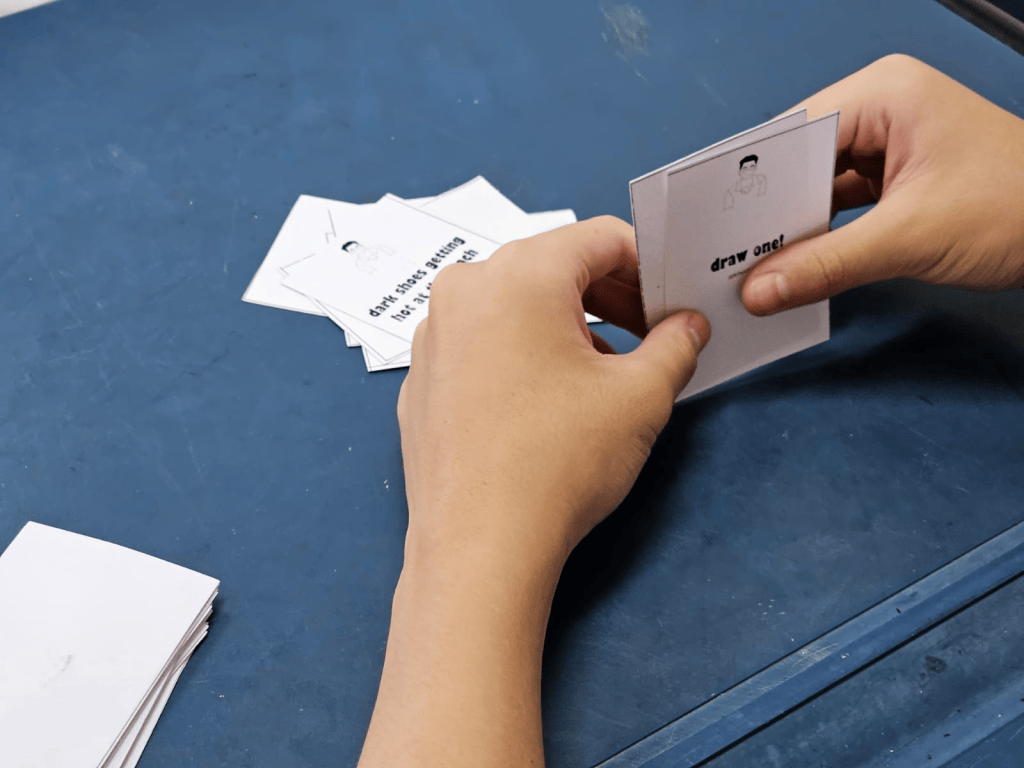
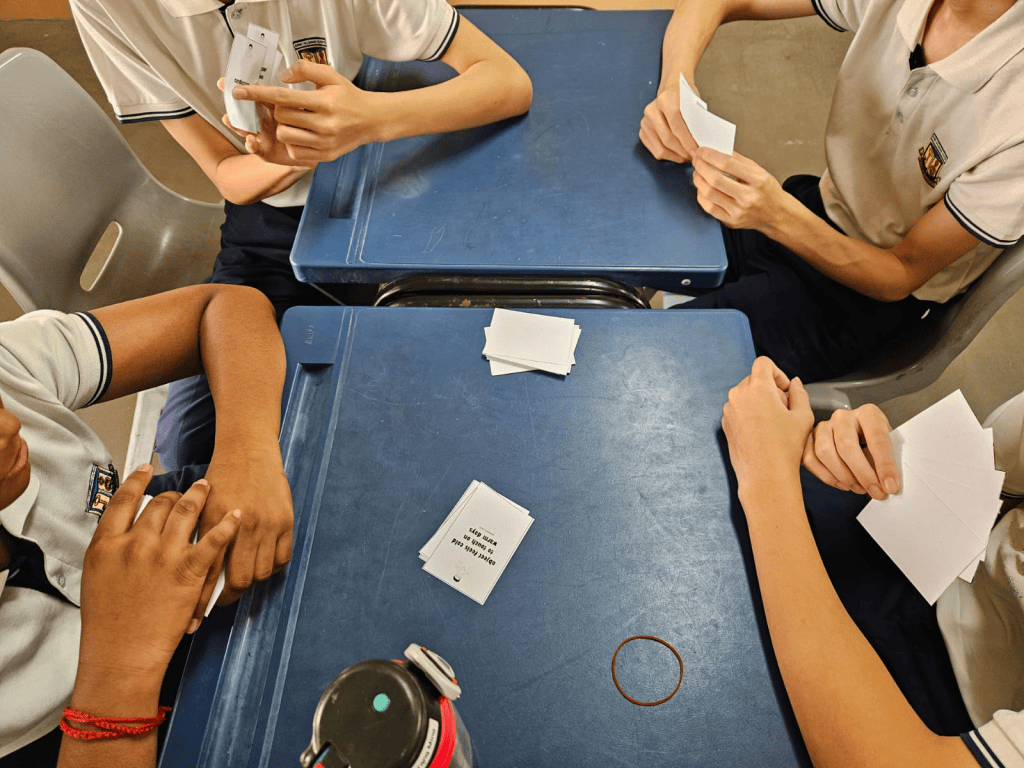
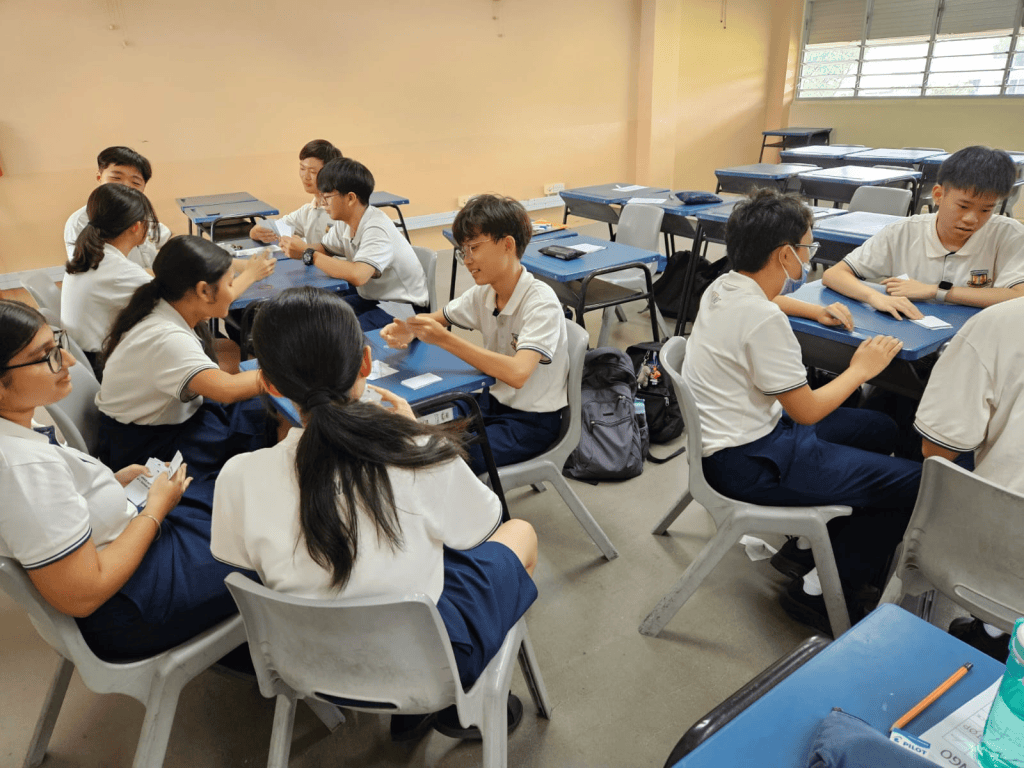
to deepen students’ conceptual fluency on thermal properties of matter, i designed and introduced an interactive card game centred on the topic of radiation. rather than testing rote memorisation, the game was structured to help students apply key concepts in a dynamic and engaging way. i began the session with a simple ict-supported demonstration using slides to explain the rules and mechanics. students were grouped in fours to encourage collaboration and discussion, and scaffolded prompts were built into the game to support learning. as the activity progressed, i moved around the class to guide students and address misconceptions, while stronger students acted as game masters to facilitate peer learning. the game was repeated over several rounds to reinforce understanding, and the lesson ended with an exciting “showdown” where group winners competed. students enjoyed the activity thoroughly, stayed engaged, and showed greater confidence in applying concepts.
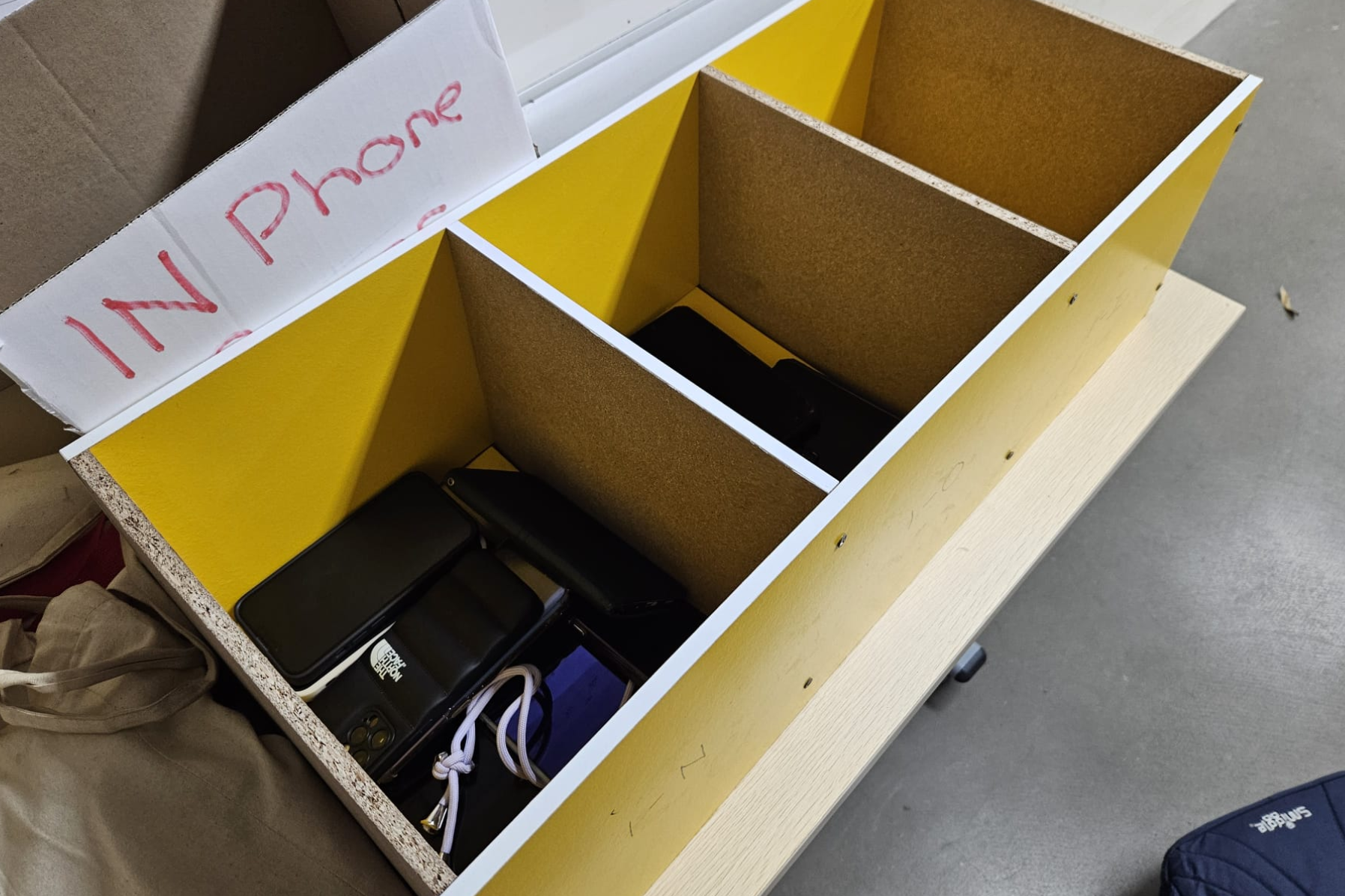
i created a phone corner in my class out of my own accord, as it is not part of the school system, to help students stay more focused in class. i think for a challenging class where students are easily distracted, this has proven effective in drawing them back to focus. it also serves as a protection for them, as teachers no longer need to confiscate their phones or deal with claims of them using it discreetly. it saves a lot of admin time during lessons.
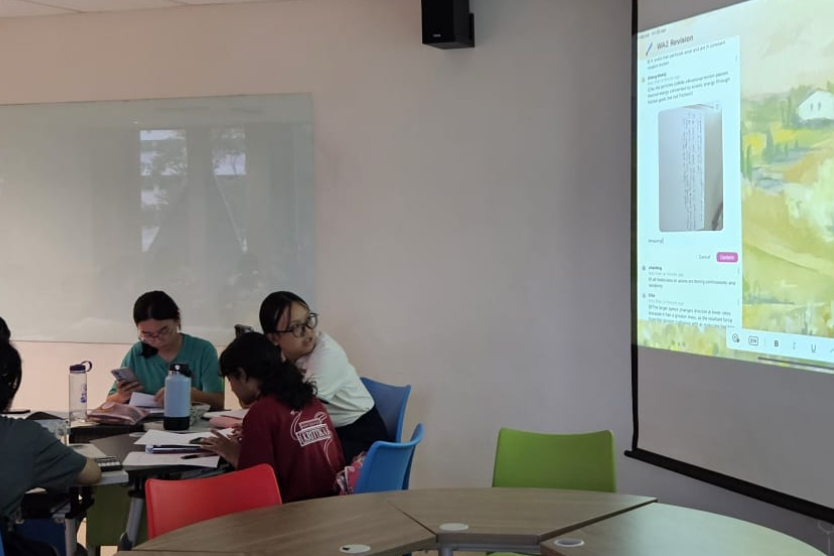
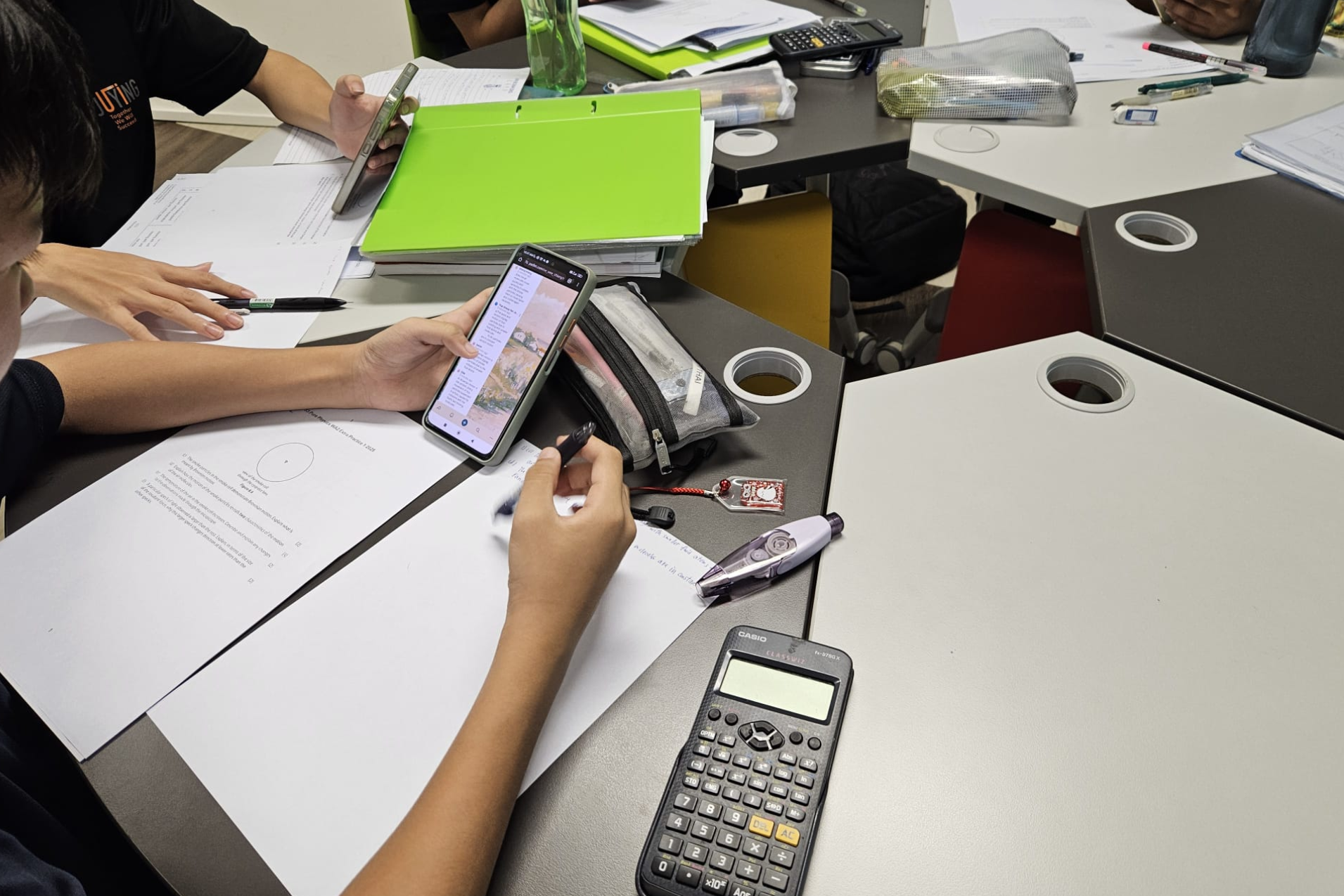
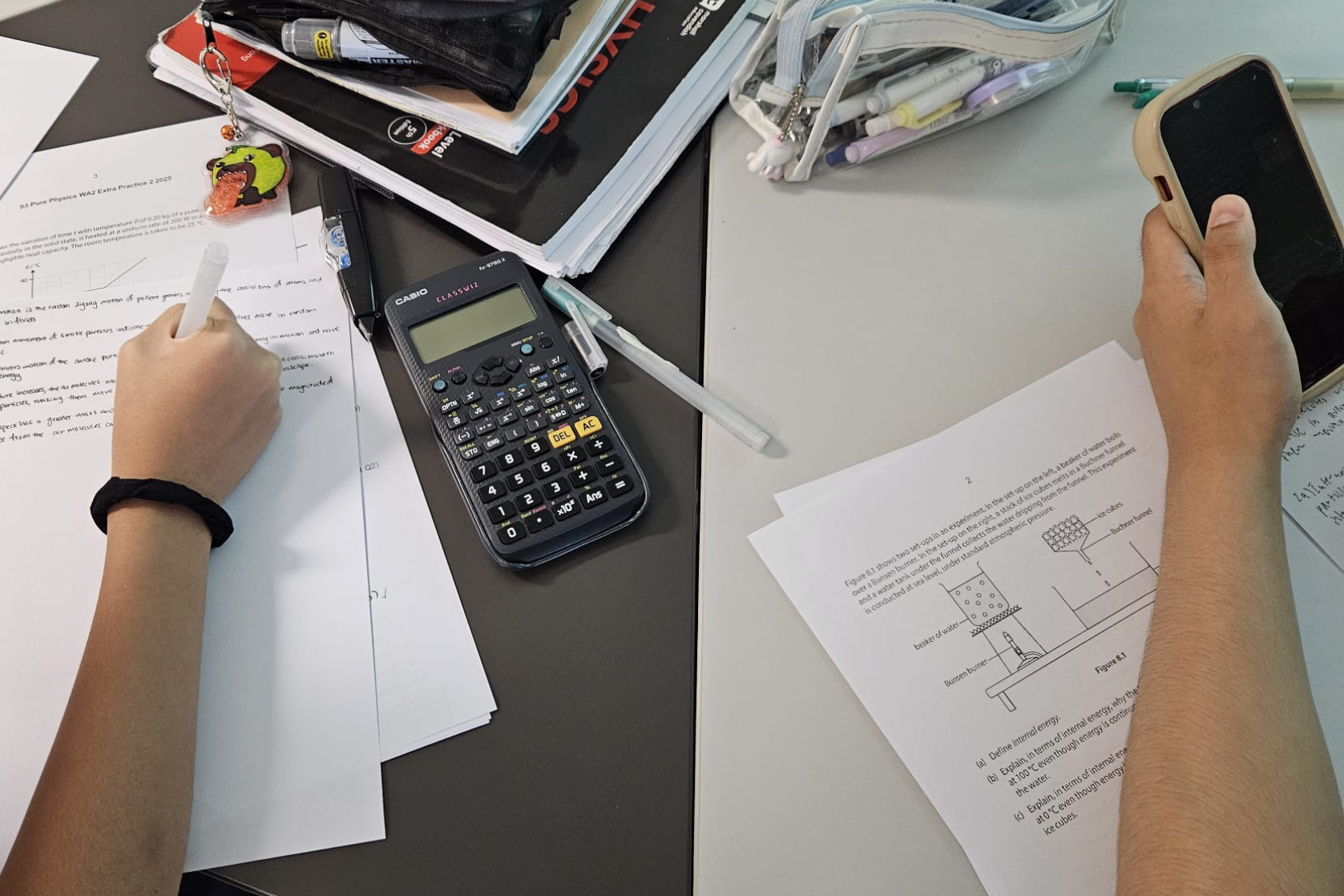
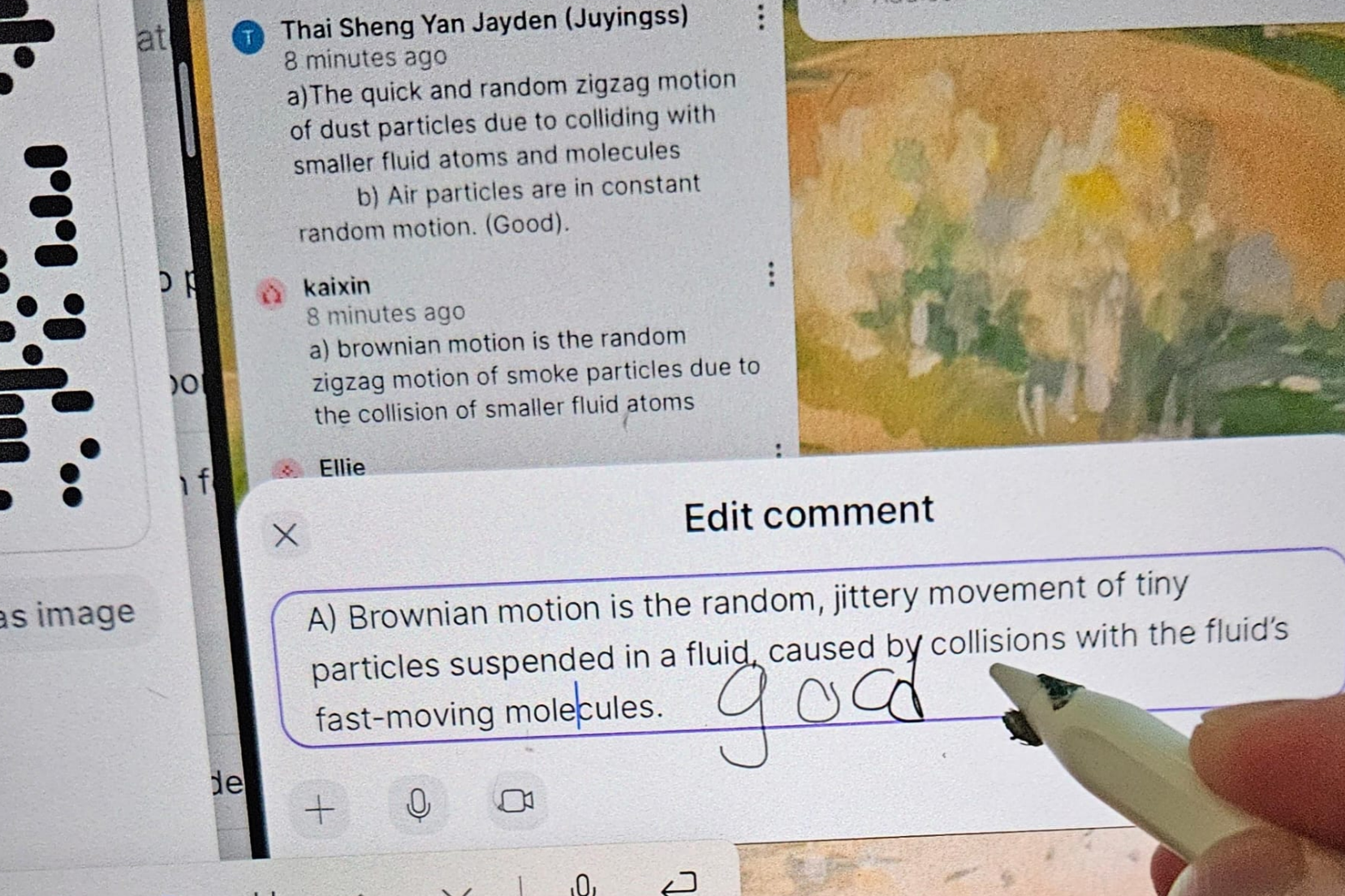
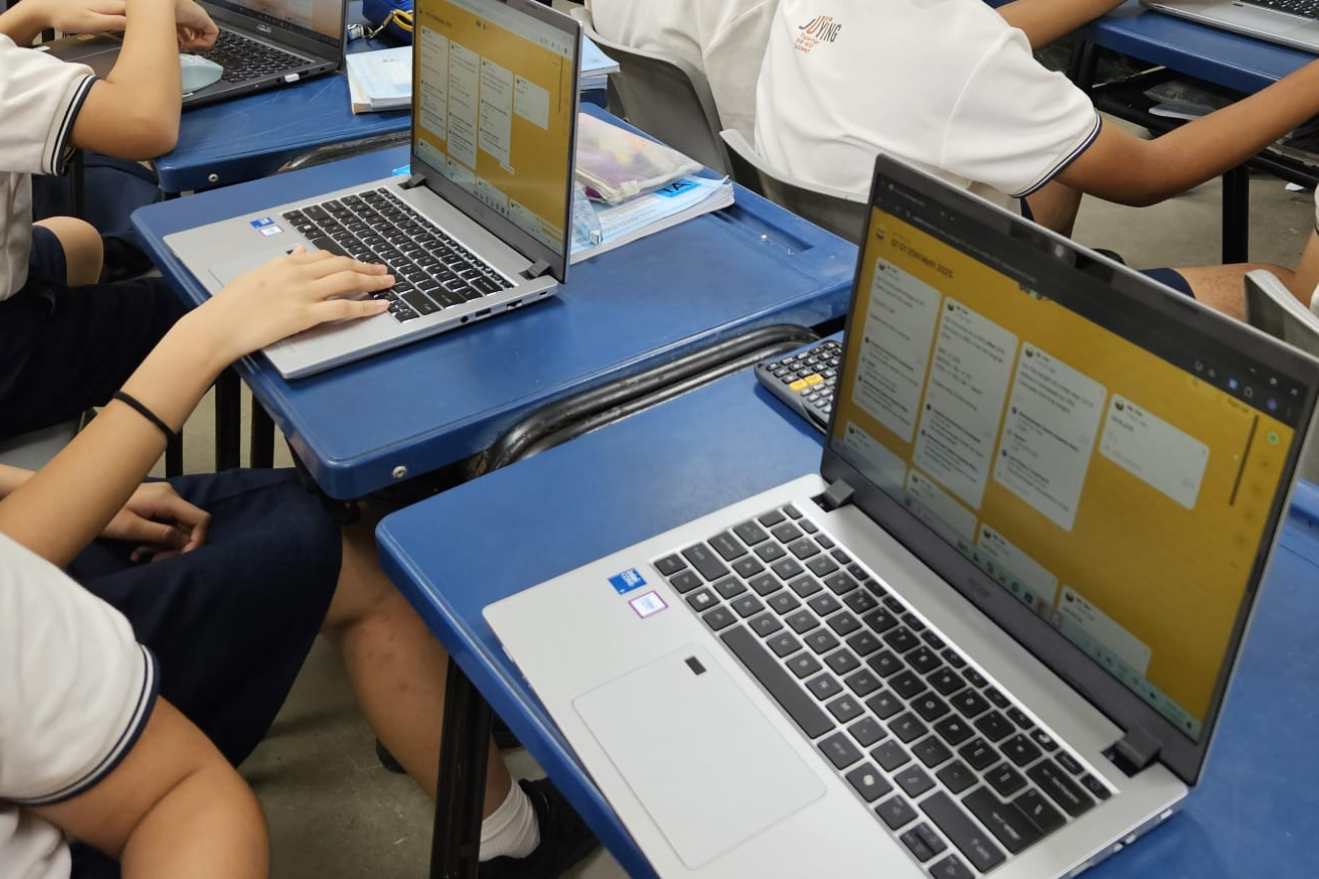
i decided to try out an alternative assessment in my pure physics class where i asked students to post their answers on padlet. padlet allows me to go through each student’s answer fairly quickly, and it gives the students the choice to either type it out or write on paper. i think the idea of having their answers shown on the screen makes the students more motivated to do it well, as they feel proud of their work. it also gives them a chance to use the internet to research their solutions. another reason i allowed them to type is because some concepts are quite a lot to write out by hand. since the main purpose is for them to understand, typing may prove to be a faster way to assess their learning. all the students were very cooperative and attentive during this segment.
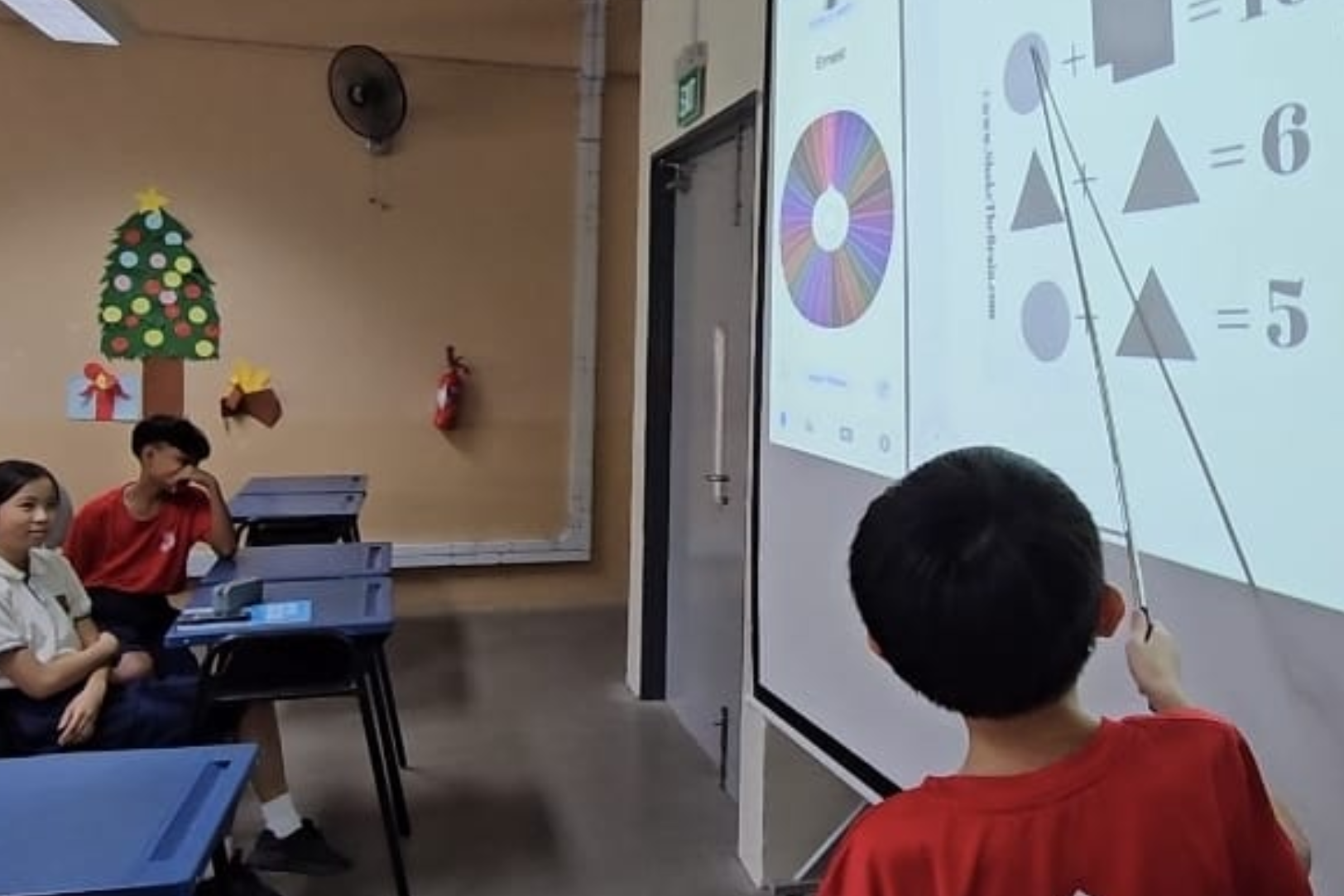
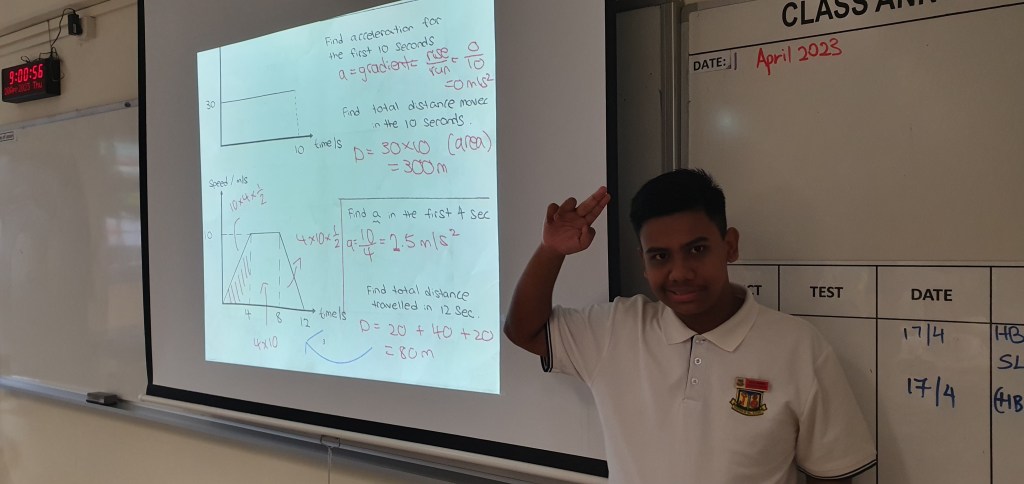
recently, i asked one of my math students to teach a question in front of the class. i believe this approach can encourage deeper thinking and foster meaningful discussions among peers. by stepping into the role of a “teacher,” the student engages more actively with the material, which helps them develop a stronger understanding of the underlying concepts rather than merely memorising answers. this students’ unique perspective on solving the problem also encourages classmates to explore different mathematical reasoning and approaches.
lately, i have been aiming to share useful, effective and engaging pedagogical tips with fellow teachers. to that end, i invited one of my colleagues to observe my lessons, exchange ideas, provide feedback and help me improve. for the lesson, i created a simple storyline to spark students’ interest in learning about electrical circuits and incorporated gamified assessments, such as kahoot, to enhance engagement.

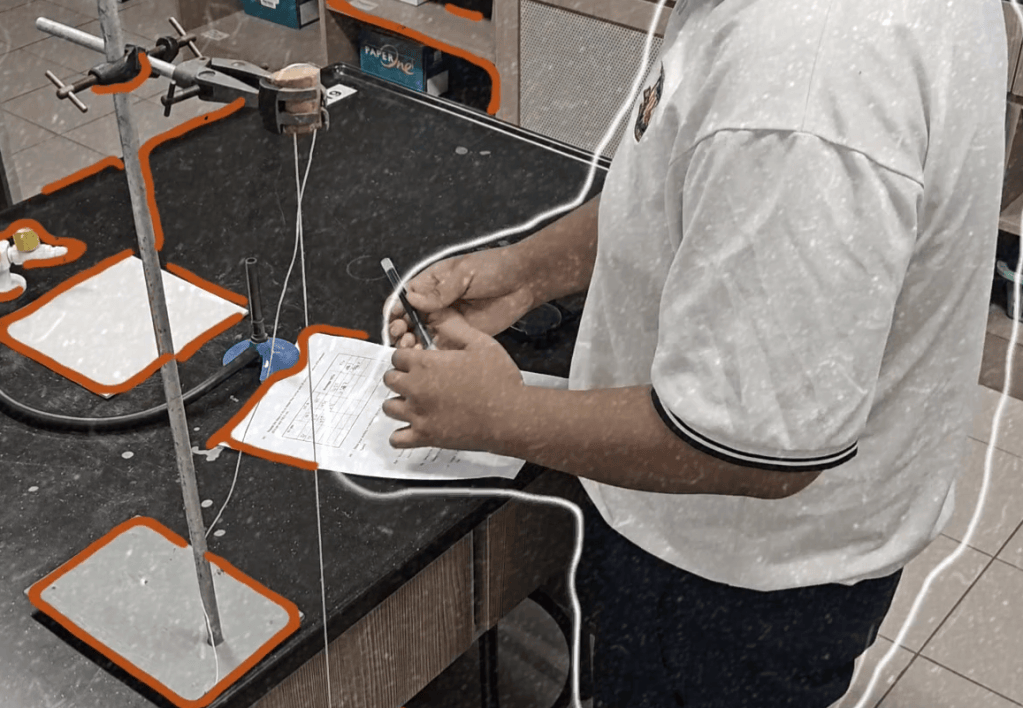
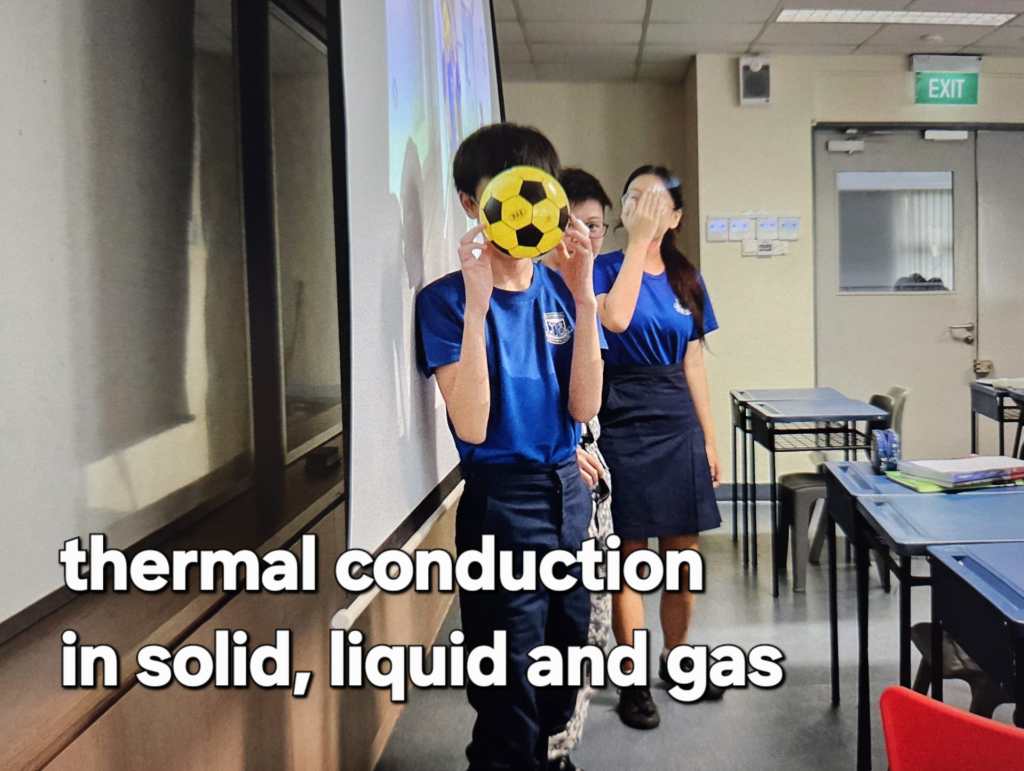
during my physics class, i thought of a fun way to help students understand the rate of thermal conduction in different materials. so, i came up with a ball game where students pass the ball around while i time them with a stopwatch. i divided the game into three stages: first, the students are close together, and in the final stage, they’re farther apart.
i challenged them to pass the ball as quickly as possible and see if they could make all the timings the same. of course, it didn’t work, because the further apart they were, the longer it took for the ball to reach the next person. this helped me link the concept of conduction to them: just like the ball, it takes longer for thermal energy to transfer in gases than in solids because of the larger spacing between particles.
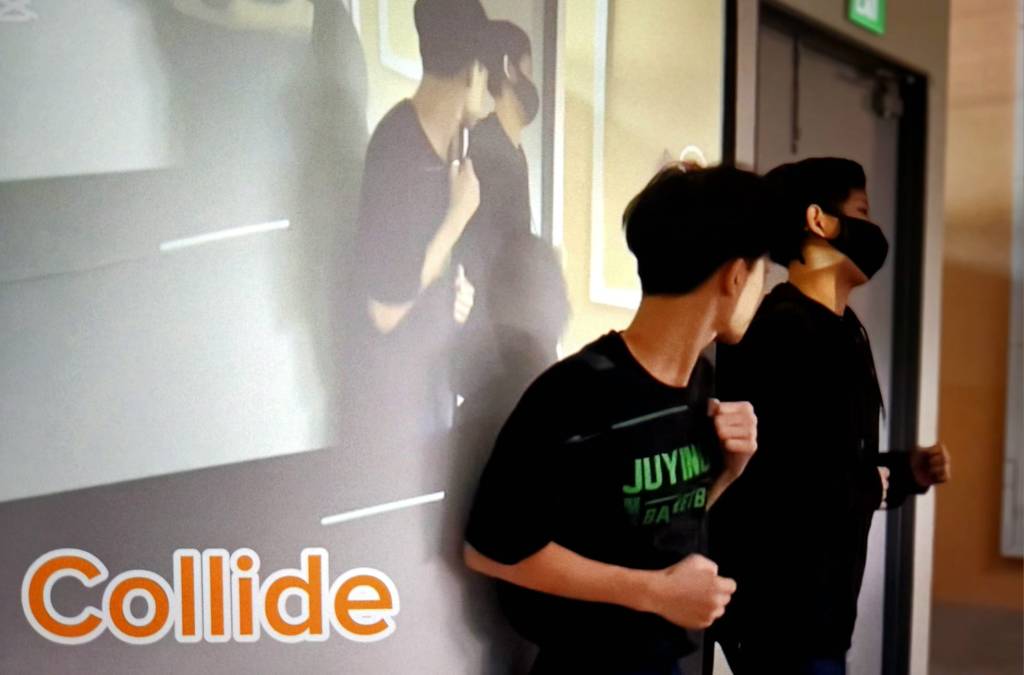
to make it more fun, i asked students to pretend they were atoms and ‘collide’ with one another, demonstrating how conduction passes energy through vibrational motion. hopefully, this makes their learning experience more engaging!
recently, in my math class, i wanted to encourage more thinking and discussion among students. so, i posted a wrong solution to a question on padlet and asked them to argue why it was incorrect. it was great to see misconceptions being uncovered and to identify which students had a strong conceptual understanding rather than just following procedures. padlet made it easy to see everyone’s reasoning quickly, and it also helped students learn from their peers. to wrap things up, i introduced a gamified crypto-hacking challenge to reinforce key concepts, especially for those who needed a bit more practice. a fun and engaging way to deepen their learning!
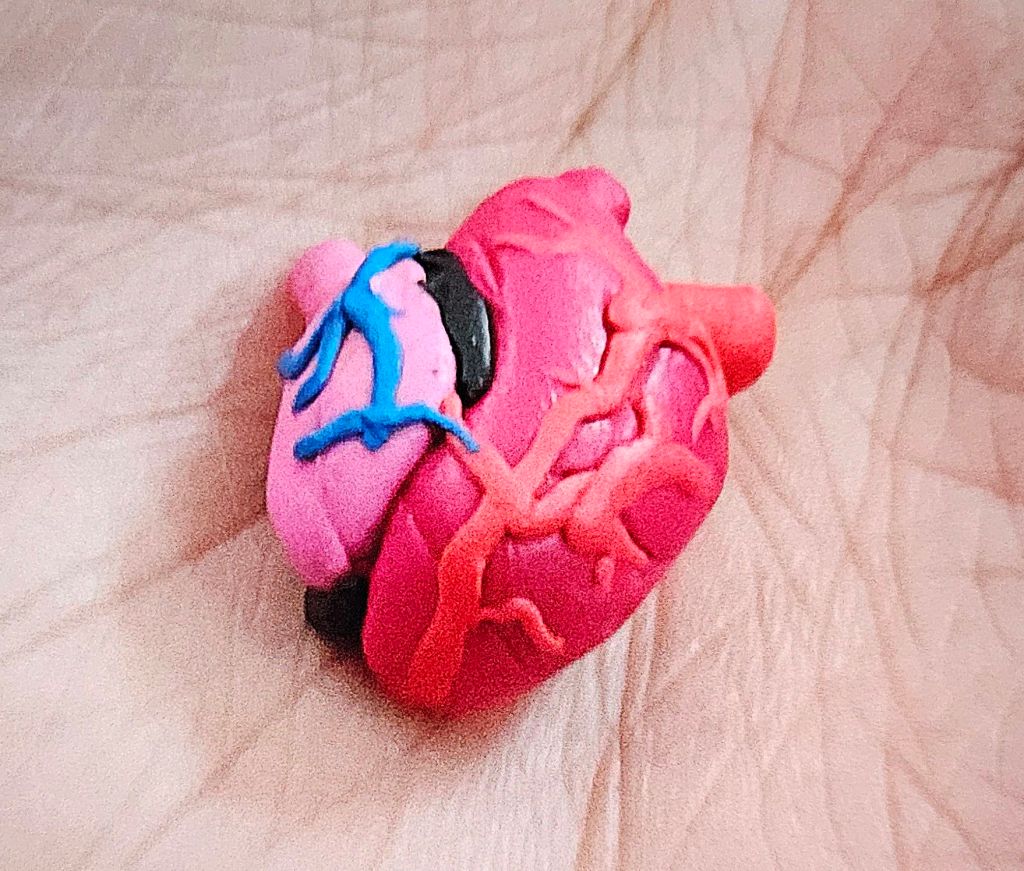
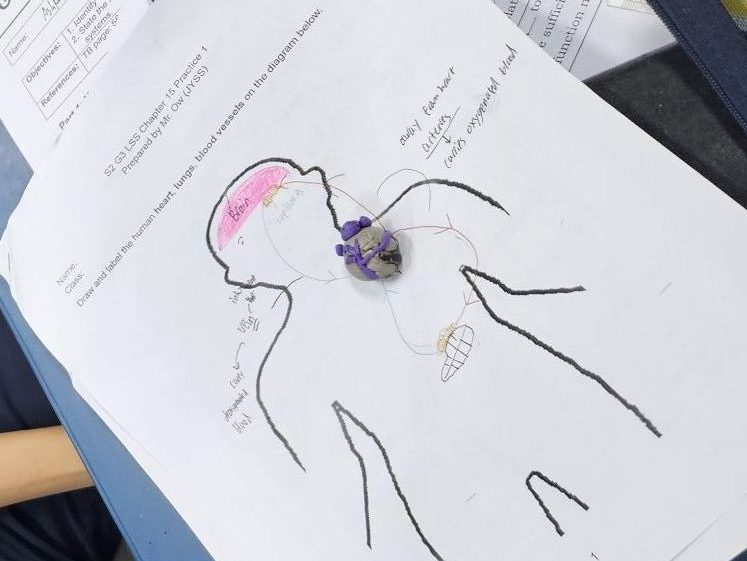
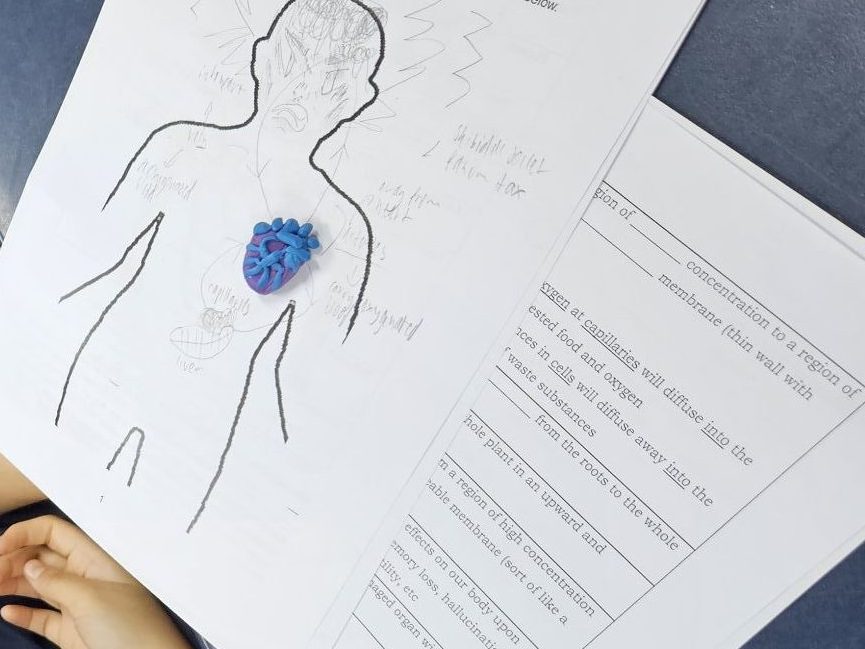
recently, while teaching the chapter on the human circulatory system to my lower secondary science class, i tried a new approach to engage my students. i asked them to use playdough to create a model of a human heart and then paste it onto a worksheet. afterward, they drew arteries and veins around their 3d heart model.
this activity kept the students engaged throughout the lesson as they interacted with the 3d heart. while the educational value of making a mini 3d heart might be debatable, it certainly made the lesson more interesting. to add a bit of fun and motivation, i selected the best heart model and rewarded the student who made the most realistic one with a candy. i hope that this memorable activity will help the students understand and retain the concepts better.
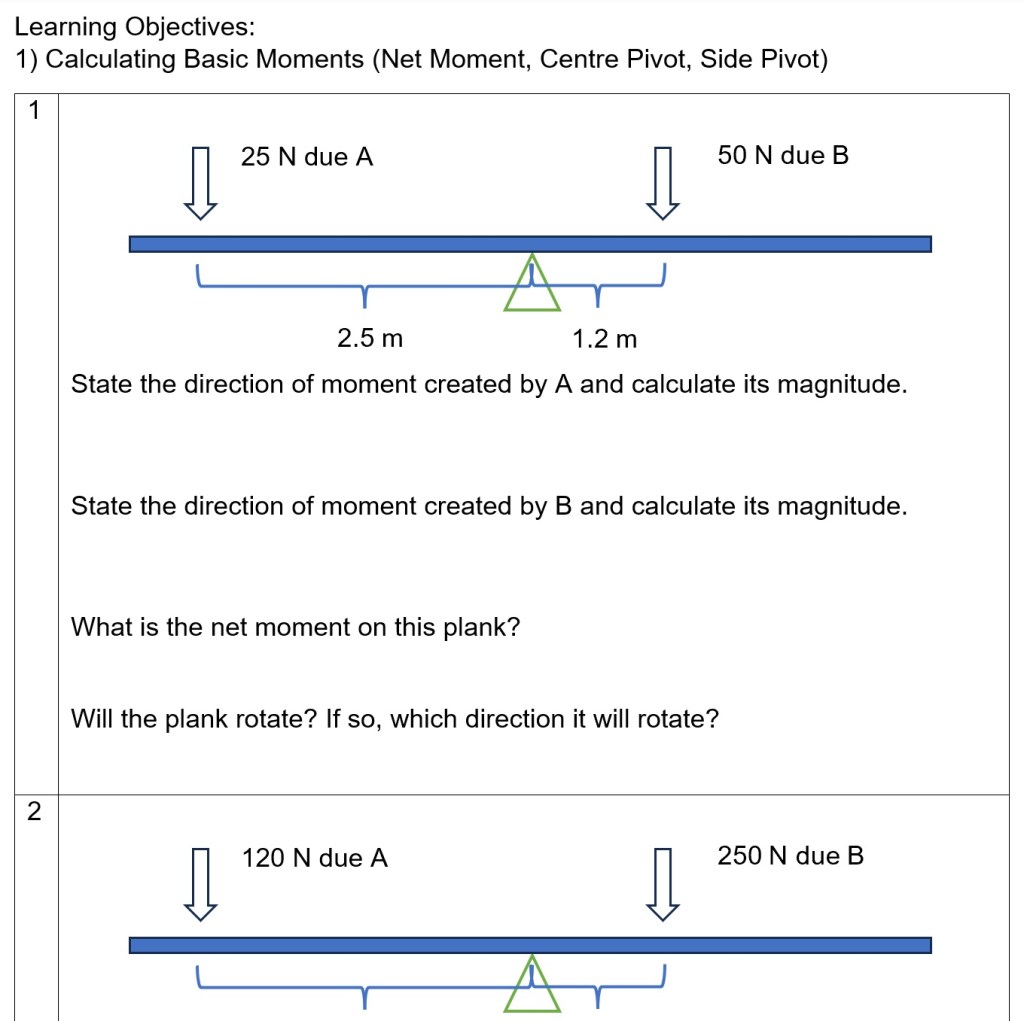
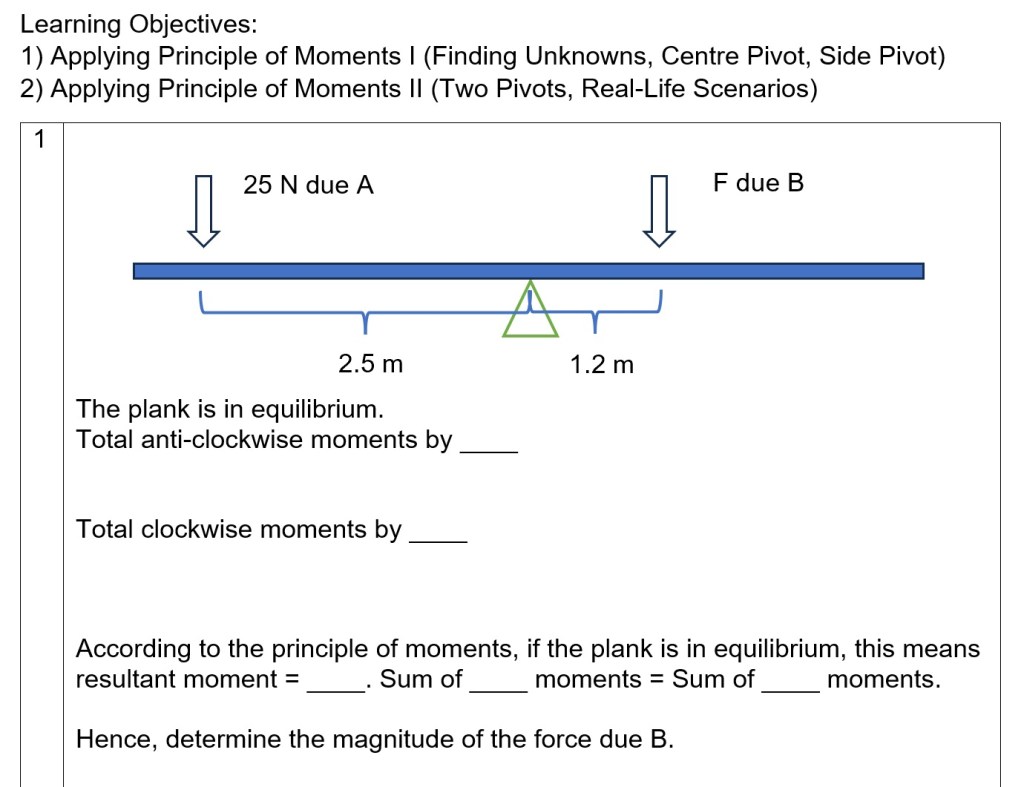
for the past 1-2 years, i have been creating my own worksheets. while this process is extremely time-consuming, it has taught me a lot. one observation i have made about workbooks is that their questions often lack sufficient scaffolding. i mainly teach lower-performing students and understand the critical importance of scaffolding their learning. when i talk about scaffolding, i mean laying down the basic foundation and gradually moving up the complexity ladder step by step. for example, in the topic of moments, practice worksheets usually include questions ranging from “easy” to “hard.” while this is helpful, i believe we can do more to support slower students. even within the “easy” range of questions, there is a need to sequence them appropriately. in the worksheet i created on moments, i scaffold learning by providing students with different specific scenarios, starting from the simplest. for example, i begin with problems involving one pivot (center), then move to one pivot (side), and gradually progress to two pivots and more advanced real-life problems. i haven’t seen any workbooks that offer such a detailed breakdown. most of the time, questions are presented randomly without any apparent conceptual progression. i hope this approach will enhance learning outcomes.
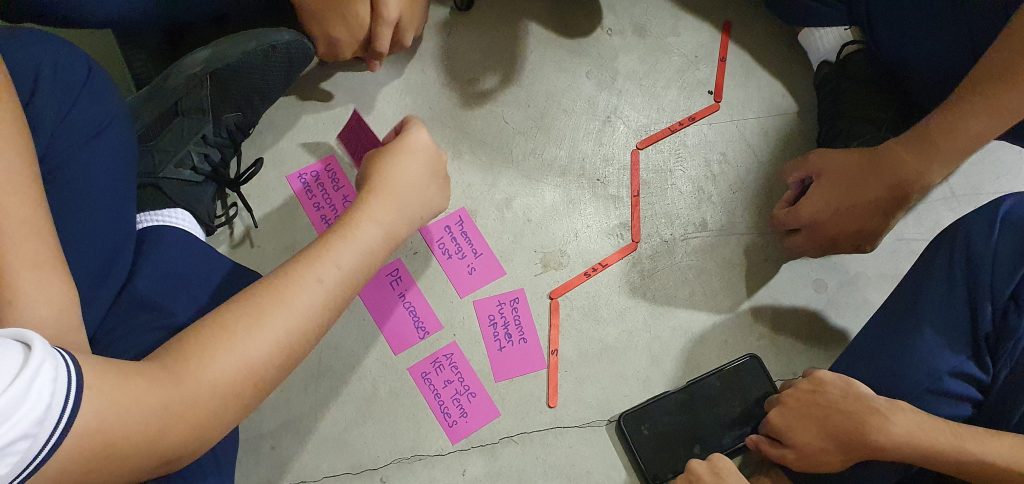
earlier on, i set out to help students comprehend the heating and cooling curves with a refreshing twist. instead of the usual diagrams, i used ice cream sticks to represent the curves, adding a tactile element to the lesson. i handed out flashcards for the students to place at the correct sections, each card describing the particulate motion and energy at various stages. the challenge? the fastest group to complete the curve wins!
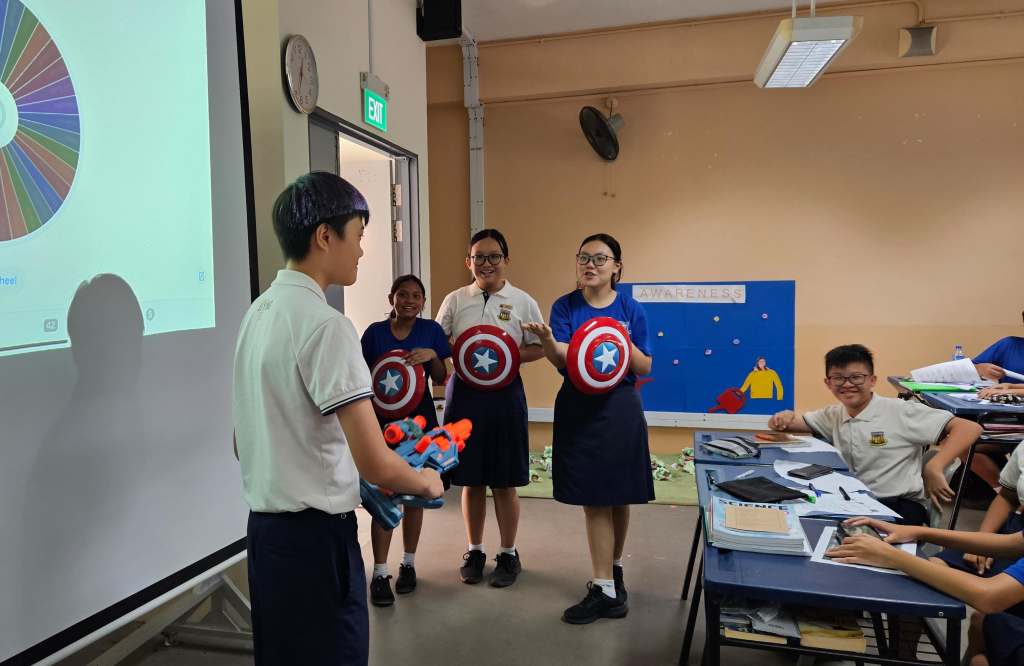
during my recent lesson on ecosystem, i gave each student a specific flora or fauna species to embody and their goal was to move around and consume appropriately. the purpose is to help them grasp the roles of producers, consumers, and decomposers in a cooperative learning style. we also spiced things up with a survival game, where they need to hunt for the right prey using a nerf gun and three shields.
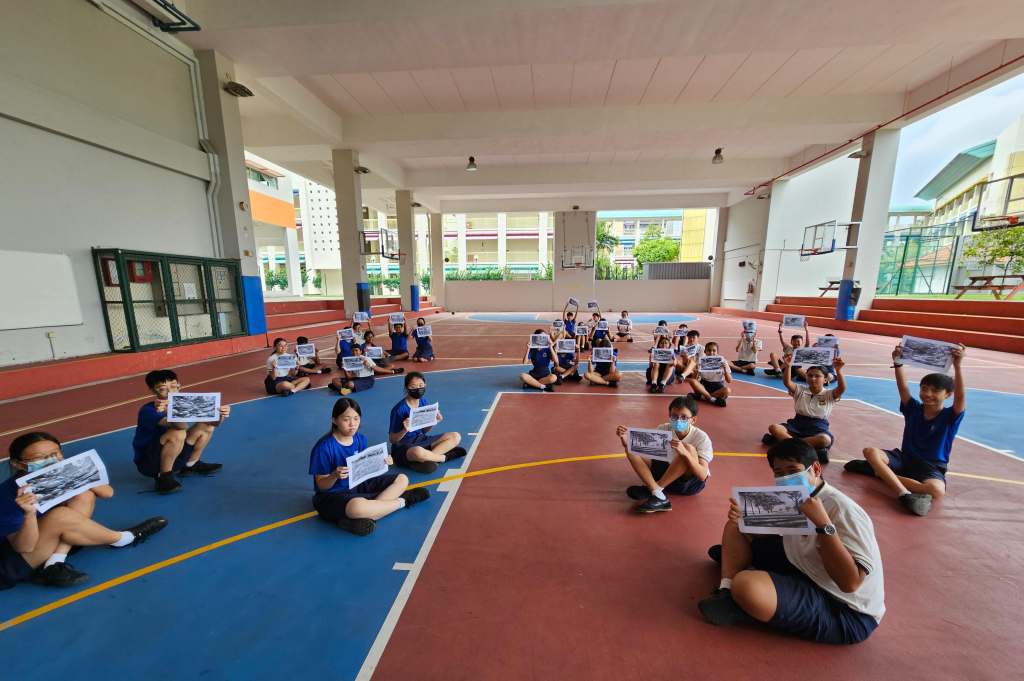
i had my class flung to different planets with varying gravitational field strengths. they used the formulae for density, pressure, and weight to calculate the g-value of their planets and then arranged themselves from lowest to highest g-values. each student started with different objects for their calculations and worked together to verify their data on densities and pressures. what made this lesson particularly refreshing was observing students helping one another to verify the accuracy of their g-values – a great example of cooperative learning in action!
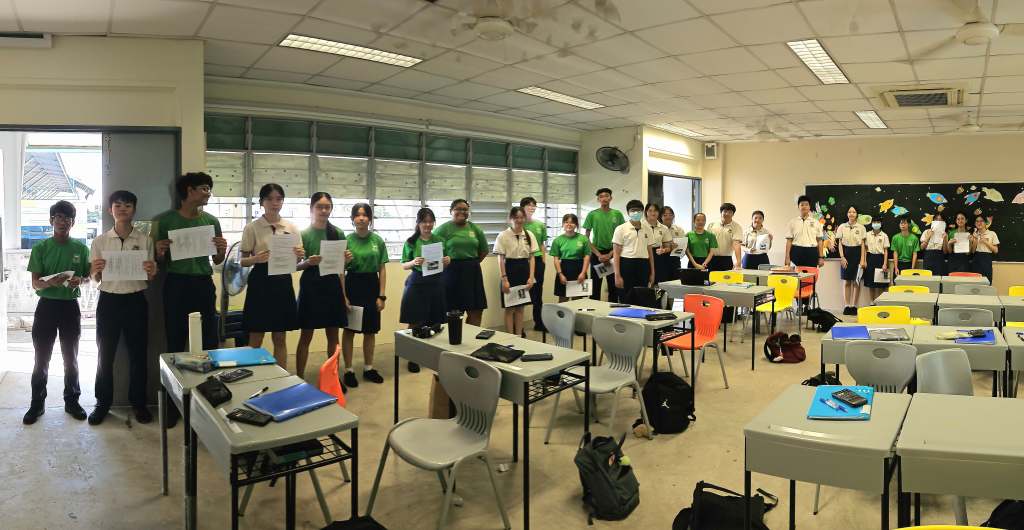
it’s such a delight to see students take on teaching roles. i recently assigned some of my students to lead a lesson while i enjoyed a moment to unwind. research backs up that teaching peers is a highly effective method for learning, so i trust they gained valuable insights from these sessions.
my passion for music spills into my teaching, where i create songs to reinforce key concepts. from tunes about digestion to those on waves and thermal physics, my playlist is packed with mnemonic aids that make learning memorable and enjoyable.
who says classrooms can’t be thrilling? virtual escape rooms have been a hit in my class, with horror themes at the top of my students’ requests. i have hosted two so far, centered on kinematics and angle properties. surprisingly, my students faced the challenges with excitement.
(sample screenshots will be uploaded soon)
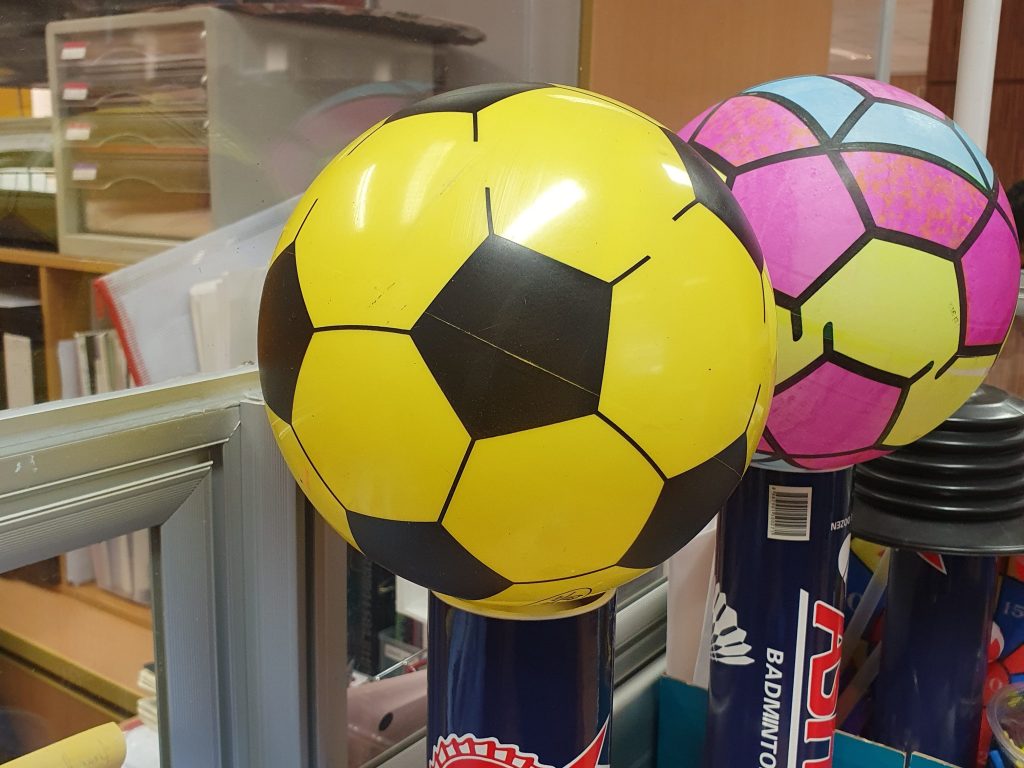
a simple ball toss game amps up the engagement in my class — catch the ball, answer the question! it’s my signature move to boost classroom energy. just a word of caution, no throwing near the fan, please!
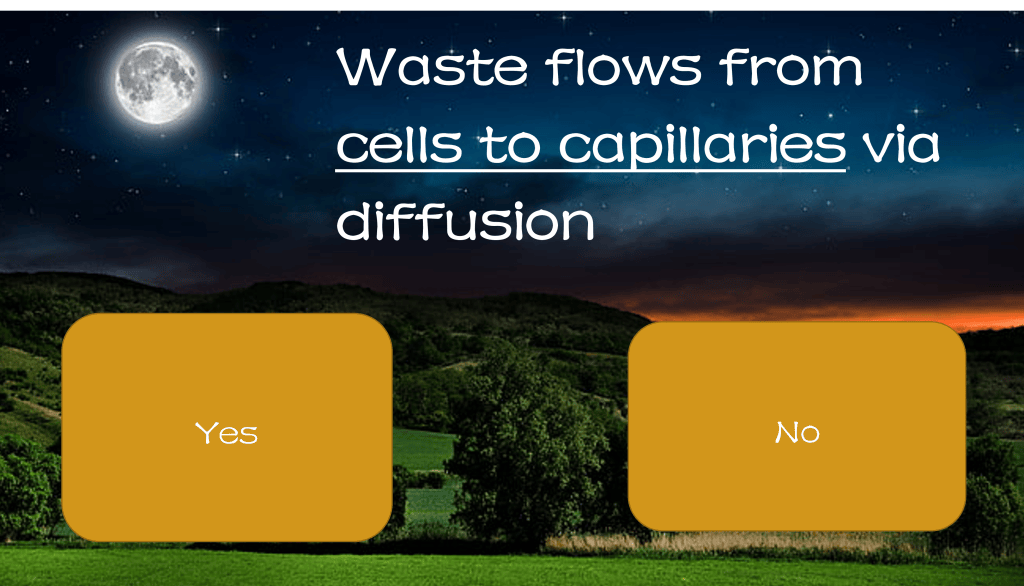
i recently delved into creating an interactive role-playing experience on the human circulatory system. using powerpoint slides, i crafted a visually stunning and educational journey that left my students both entertained and enlightened.

tired of kahoot? try “who wants to be a millionaire”! the setup was a tad tricky, but the iconic game format brought a refreshing twist to our learning routine. blooket isn’t too bad as well. my students love hacking passwords!
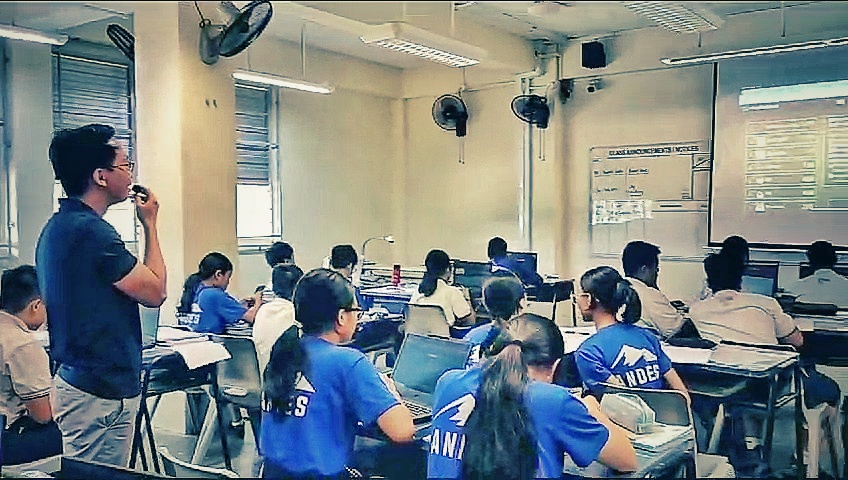
video games aren’t just for fun—they’re tools in my teaching arsenal. from angry birds to asphalt, these games serve as engaging platforms to explore concepts like energy conversion and kinematics. here’s hoping i don’t catch the attention of the discipline master during our gaming sessions!

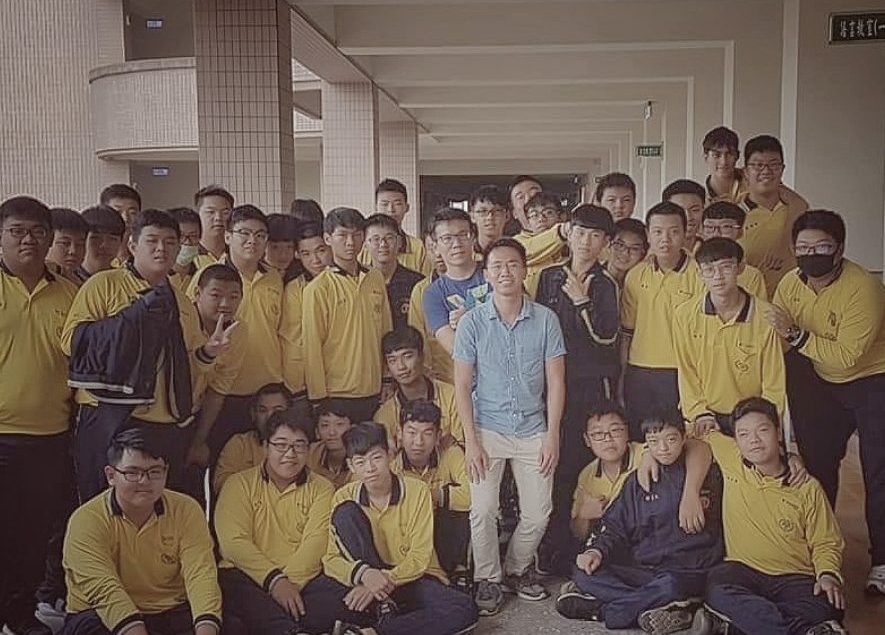
back in 2019, i had the chance to visit taiwan classrooms to see how learning takes place there. i love the open concept of classrooms, which means they can invite any guest speakers to come in and share ideas. during math class, teachers still focus quite a bit on mental arithmetic. for example, using calculator to evaluate logarithms are not allowed. it was an eye-opening experience for me.